How To Do A Complete Local SEO Audit: 11-Point Checklist

Local SEO Audit success starts with understanding your digital footprint. Whether you’re a small bakery competing for “best pastries near me” or a dental practice targeting multiple neighborhoods, your online visibility directly impacts your bottom line. At Search Savvy, we’ve witnessed businesses transform their local presence through systematic auditing-and we’re here to guide you through the exact process that delivers results in 2025.
In this article24 sections
A Local SEO Audit isn’t just a checklist exercise; it’s your roadmap to identifying critical gaps preventing potential customers from finding you. With AI Mode now surfacing in Google search results and local pack placements becoming increasingly competitive, conducting regular audits ensures you’re not leaving money on the table.
Why Is a Local SEO Audit Important in 2025?#
Local SEO Audit Checklist implementation has become non-negotiable for businesses targeting geographic markets. Nearly half (46%) of all searches have local intent, and 76% of smartphone users who search for nearby businesses visit a physical location within a day. These statistics reveal why your local presence demands constant optimization.
The complexity of local search algorithms means even minor oversights significantly impact your ability to appear in the coveted “local pack” results. At Search Savvy, we recommend quarterly audits to maintain competitive advantage, especially as Google Gemini and ChatGPT reference multiple data points to determine which businesses surface in AI Overviews, featured snippets, and map results.
How Does a Local SEO Audit Work?#
Local SEO Audit methodology involves systematically evaluating every component of your digital presence-from Google Business Profile optimization to citation consistency, technical infrastructure to competitive analysis. Each element interconnects: your profile optimization affects citation consistency, which influences local authority, which impacts location-based keyword rankings.
The Complete Local SEO Audit Checklist: 11 Essential Points#
1. Google Business Profile (GBP) Audit#
Local SEO Audit Checklist begins with your Google Business Profile-the cornerstone of local visibility. The typical Business Profile averages only 1,260 views per month out of 167 billion monthly Google searches, with only 59 actions taken from those views. This represents massive untapped potential.
What to check:
- Business information accuracy and completeness
- Correct primary category selection (from over 4,098 available categories as of late 2024)
- Hours of operation, including holiday hours
- Precise pin location in Google Maps
- Service area business vs. physical location designation
- High-quality photos and videos (minimum 10 images)
- Appointment links where applicable
- Social profile connections
New 2025 attributes like “women-led” and “eco-friendly” directly influence SEO rankings, so ensure you’re leveraging all relevant business attributes. According to Search Savvy’s insights, complete profiles receive 70% more visits than incomplete ones.
Action step: Access your GBP directly through search results if you’re authorized, or visit business.google.com to claim and optimize your listing.
2. Review Management Assessment#
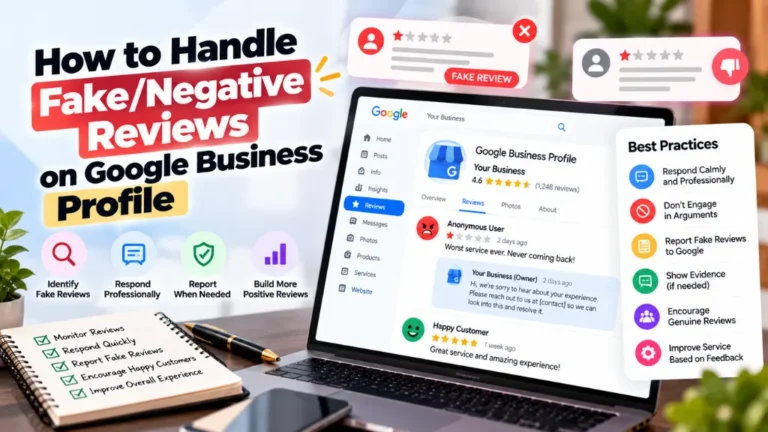
Local SEO Audit must include comprehensive review analysis. Reviews aren’t just for credibility-they’re search signals, and businesses have ranked for specific keywords simply because those terms appeared in client reviews.
What to evaluate:
- Current review quantity across all platforms
- Average star rating and sentiment trends
- Response rate and quality
- Keyword-rich review content
- Review velocity compared to competitors
- Presence on major platforms (Google, Yelp, Facebook, industry-specific sites)
Customer reviews are essential to influencing purchasing decisions, and companies with positive reviews and active engagement have a competitive edge in 2025. At Search Savvy, we emphasize responding to every review-positive or negative-using keywords naturally in your replies to boost indexation.
Pro tip: Encourage customers to mention specific services and locations in reviews. Instead of “Great service!”, aim for “XYZ Plumbing fixed my water heater in downtown Denver fast!”
3. NAP Consistency Verification#
Local SEO Audit Checklist requires meticulous NAP (Name, Address, Phone) consistency checking. According to Whitespark’s Local Search Ranking Factors study, NAP consistency remains one of the top 5 factors for local pack rankings, especially for new and low-authority businesses.
What to verify:
- Exact name format across all platforms
- Complete address formatting consistency
- Phone number uniformity (avoid tracking numbers on public listings)
- Website URL consistency
- Business description alignment
Inconsistent NAP information can harm local rankings, confuse customers, and damage brand reputation. Even seemingly minor variations-like “St.” versus “Street” or different suite number formatting-create inconsistencies that erode search engine trust.
Tools to use:
- Manual Google search: “your business name”
- Moz Local
- BrightLocal
- Yext
- Whitespark Citation Finder
4. Citation Audit and Building#
Local SEO Audit effectiveness depends on citation quality and quantity. Research shows businesses with 40+ accurate citations rank 53% higher in local search results compared to those with fewer listings.
What to examine:
- Structured citations (directories like Yelp, Yellow Pages, Better Business Bureau)
- Unstructured citations (blog mentions, news articles, social media)
- Industry-specific directory presence
- Local chamber of commerce and tourism website listings
- Citation accuracy across all platforms
Focus on authoritative directories relevant to your industry. A restaurant should prioritize TripAdvisor, OpenTable, and Yelp, while a contractor needs HomeAdvisor, Angie’s List, and specialized trade directories.
Citation building priorities:
- General directories (Google, Bing Places, Apple Maps, Yelp)
- Industry-specific platforms
- Local business associations
- Regional directories
- Niche community sites
5. On-Page SEO Evaluation#
Local SEO Audit must assess website optimization for local intent. Your website’s on-page elements signal relevance to search engines for geographic queries.
What to analyze:
- Title tags with local keywords (e.g., “Denver Emergency Plumber | 24/7 Service”)
- Meta descriptions incorporating location and services
- H1 and header tag optimization
- URL structure (clean, keyword-rich, location-specific)
- Internal linking strategy
- Content quality and local relevance
- Image optimization and alt text
- Contact page with complete NAP information
- Location-specific landing pages
At Search Savvy, we recommend creating dedicated location pages for each service area with unique, valuable content-not thin, duplicate pages. Each page should answer local customer questions and provide genuine value.
Essential elements for location pages:
- Unique content about serving that specific area
- Local landmarks and neighborhood references
- Customer testimonials from that location
- Area-specific services or considerations
- Embedded Google Map
- Local business schema markup
6. Technical SEO Health Check#
Local SEO Audit Checklist includes critical technical elements affecting search visibility. Google continuously adapts speed assessment methods, including the introduction of the INP Core Web Vital in 2024, which measures how fast websites respond to user interactions.
What to test:
- Page speed (aim for under 3 seconds)
- Core Web Vitals (LCP, FID/INP, CLS)
- Mobile responsiveness
- HTTPS security
- XML sitemap presence and accuracy
- Robots.txt file configuration
- 301 redirects for moved pages
- Broken link identification
- Crawl error resolution
Tools for technical audit:
- Google PageSpeed Insights
- Google Search Console
- Screaming Frog SEO Spider
- GTmetrix
- Google Mobile-Friendly Test
Page speed directly correlates with bounce rate and conversions, meaning improving load time frequently benefits both organic presence and user experience.
7. Schema Markup Implementation#
Local SEO Audit requires verifying proper structured data. Schema markup helps search engines understand your business information and display rich results.
What to implement:
- Local Business schema (required: name, address)
- Optional properties: opening hours, price range, payment methods
- Organization schema
- Review schema
- Product schema (for e-commerce)
- Event schema (for businesses hosting events)
Use Google’s Schema Markup Validator to generate proper code. Choose JSON-LD format for easiest implementation, or consult a web developer for proper placement.
Validation: Test your schema with Google’s Rich Results Test to ensure proper implementation.
8. Local Content Strategy Assessment#
Local SEO Audit should evaluate content relevance and quality. Hyperlocal content creation-producing distinct pages for each micro-area like “Why Downtown Miami Condos Are Surging in 2025” or “Top Winter Lawn Care Tips in Northern Illinois”-caters to distinct user bases.
What to review:
- Blog content addressing local customer questions
- Location-specific service pages
- Local news or event coverage
- Community involvement content
- Case studies featuring local clients
- FAQ sections answering “near me” queries
- Content freshness and update frequency
Quality over quantity remains paramount. Search Savvy’s approach focuses on comprehensive, helpful content that genuinely serves local searchers rather than thin keyword-stuffed pages.
9. Backlink Profile Analysis#
Local SEO Audit Checklist includes evaluating your link ecosystem. Local backlinks from authoritative community sources signal relevance and trustworthiness to search engines.
What to assess:
- Total backlink count and quality
- Domain authority of linking sites
- Local backlink sources (chambers, local media, community organizations)
- Industry-specific authoritative links
- Competitor backlink comparison
- Toxic or spammy link identification
- Unlinked brand mentions
Tools for backlink analysis:
Local link building opportunities:
- Local news coverage or press releases
- Sponsorship of community events
- Local business partnerships
- Guest posts on local blogs
- Chamber of commerce memberships
- Industry association listings
- Local resource page inclusions
10. Competitor Analysis#
Local SEO Audit isn’t complete without understanding your competitive landscape. Comprehensive audits should identify and review competitors’ strengths and weaknesses, as online competitors may differ from physical competitors.
What to analyze:
- Who appears in local pack for your target keywords
- Competitor GBP completion and optimization
- Their review quantity and quality
- Citation presence and sources
- Content strategies and topics
- Backlink profiles
- Social media engagement
- Website technical performance
Tools for competitor research:
At Search Savvy, we recommend documenting competitor advantages and weaknesses to inform your optimization priorities. If top competitors have 200+ reviews and you have 25, review generation becomes urgent.
Analysis framework:
- Identify top 3-5 local competitors
- Conduct same audit steps for their presence
- Document their strengths
- Identify their weaknesses and gaps
- Develop strategy to match strengths and exploit weaknesses
11. Performance Tracking and Analytics Setup#
Local SEO Audit requires establishing baseline metrics and tracking mechanisms. You can’t improve what you don’t measure.
What to implement:
- Google Analytics 4 with local tracking
- Google Search Console monitoring
- GBP insights review
- Local keyword ranking tracking
- Call tracking (separate from public NAP)
- Form submission tracking
- Direction request monitoring
- Website user behavior analysis
Recommended tracking tools:
- Google Analytics 4
- Google Search Console
- Google Tag Manager
- CallRail (call tracking)
- Local Falcon (geo-grid ranking)
- BrightLocal (rank tracking)
Key metrics to track:
- Organic search traffic (overall and local-specific)
- Local pack rankings for target keywords
- GBP views, clicks, calls, and direction requests
- Website conversions from local traffic
- Review velocity and sentiment
- Citation growth
- Page speed improvements
- Mobile vs. desktop performance
Search Savvy’s approach emphasizes monthly reporting on these metrics to identify trends, successes, and areas needing attention.
How Often Should You Conduct a Local SEO Audit?#
Local SEO Audit frequency depends on your business size, competition level, and market dynamics. At Search Savvy, we recommend:
- Quarterly comprehensive audits for most businesses
- Monthly quick checks of GBP, reviews, and rankings
- Immediate audits after major changes (location moves, rebrand, website redesign)
- Competitive audits when you notice ranking drops
GMB optimization is a continual process-you must iterate your profile based on recent performance to improve future rankings. Regular auditing ensures you catch issues before they significantly impact visibility.
What Tools Do You Need for a Local SEO Audit?#
Local SEO Audit Checklist execution requires the right toolkit. Essential tools include:
Free tools:
- Google Business Profile Manager
- Google Search Console
- Google Analytics 4
- Google PageSpeed Insights
- Google Rich Results Test
- Bing Webmaster Tools
Paid tools worth investing in:
- Moz Local (citation management)
- BrightLocal (comprehensive local SEO platform)
- SEMrush or Ahrefs (keyword tracking, backlinks, competitor analysis)
- Screaming Frog (technical crawling)
- Local Falcon (geo-grid rank tracking)
- Whitespark (citation building and tracking)
Many businesses find working with an experienced agency like Search Savvy more cost-effective than purchasing multiple tools and developing in-house expertise.
What Happens After Completing Your Local SEO Audit?#
Local SEO Audit completion is just the beginning. The real value comes from prioritizing and implementing improvements based on your findings.
Post-audit action framework:
- Prioritize issues by impact and effort
- High impact, low effort: Tackle immediately
- High impact, high effort: Schedule for execution
- Low impact, low effort: Handle in batches
- Low impact, high effort: Deprioritize or eliminate
- Create implementation timeline
- Assign tasks and responsibilities
- Set realistic deadlines
- Establish accountability measures
- Execute systematically
- Complete quick wins first for momentum
- Focus on fundamentals (GBP, NAP, reviews)
- Build toward advanced tactics (content, links)
- Monitor and measure results
- Track baseline vs. current metrics
- Document improvements
- Adjust strategy based on performance
- Schedule next audit
- Set recurring calendar reminder
- Update audit checklist based on learnings
- Refine process for efficiency
According to Search Savvy’s experience, businesses implementing audit recommendations see measurable improvements within 30-90 days, with continued gains as efforts compound over time.
Frequently Asked Questions (FAQ)#
What is a local SEO audit and why do I need one?#
A Local SEO Audit is a comprehensive evaluation of your business’s online presence specifically for geographic searches. You need one because even minor oversights can significantly impact your ability to appear in the local pack results, and many businesses invest considerable resources without ensuring their foundation is solid. Regular audits identify hidden optimization opportunities that directly impact your bottom line. According to Google’s local search statistics, 76% of people who search for something nearby visit a business within a day.
How long does a complete local SEO audit take?#
A thorough Local SEO Audit typically takes 8-12 hours for a single-location business, depending on the depth of analysis and complexity of your digital presence. Multi-location businesses require proportionally more time. Professional agencies like Search Savvy can often complete audits more efficiently due to specialized tools and established processes, typically delivering comprehensive reports within 1-2 weeks.
Can I do a local SEO audit myself or should I hire an agency?#
You can absolutely conduct a Local SEO Audit yourself using this checklist and the recommended tools. However, professional agencies bring specialized expertise, access to premium tools, and objective perspective that often uncovers issues you might overlook. At Search Savvy, we find that even marketing-savvy business owners benefit from professional audits due to the technical complexity and time investment required. Consider your budget, time availability, and technical comfort level when deciding.
What’s the difference between local SEO and regular SEO audits?#
Local SEO Audit Checklist focuses specifically on geographic relevance signals that traditional SEO audits may overlook. This includes Google Business Profile optimization, NAP consistency, local citation building, location-specific content, and local backlinks. While both audit types examine technical SEO, content, and backlinks, local audits emphasize proximity, local pack rankings, and serving customers in specific geographic areas rather than broader organic visibility.
How much does a professional local SEO audit cost?#
Professional Local SEO Audit costs typically range from $500-$2,500 for single-location businesses, depending on market competitiveness and audit depth. Multi-location businesses can expect $300-$1,000 per additional location. Many agencies, including Search Savvy, offer audit services as part of ongoing local SEO management packages. Most small businesses budget $1,500-$5,000 per month for comprehensive local SEO services, which typically includes quarterly audits plus implementation.
What should I do immediately after my local SEO audit?#
After completing your Local SEO Audit, immediately address critical issues affecting your GBP-incorrect business information, incomplete profile sections, or unverified listing status. Next, tackle NAP inconsistencies across major directories, as these foundational elements impact all other optimization efforts. Create a prioritized action plan based on impact potential, then systematically work through improvements while tracking progress. According to Search Savvy’s methodology, quick wins build momentum while you develop longer-term strategies for content creation, link building, and competitive positioning.
Ready to transform your local visibility? A comprehensive Local SEO Audit reveals exactly where you’re losing customers to competitors and provides a clear roadmap for domination in your local market. At Search Savvy, we’ve helped hundreds of businesses multiply their local traffic through systematic auditing and strategic implementation. Don’t let hidden optimization gaps cost you another customer-start your audit today.
Looking for expert guidance? Contact Search Savvy for a professional Local SEO Audit that identifies your biggest opportunities and provides actionable recommendations tailored to your unique market position.