

Keyword rankings remain the cornerstone of digital visibility in 2026, but the landscape has transformed dramatically. At Search Savvy, we’ve witnessed firsthand how AI-driven search experiences, zero-click results, and generative answer engines have reshaped the way businesses compete for organic traffic. According to recent industry data, organic traffic now represents 46.98% of all website traffic, though this decreased by 3.65% in 2025 as AI Overviews continued their expansion across search results.
Despite these shifts, keyword rankings continue to deliver measurable ROI for businesses that adapt their strategies. The #1 organic result is now 10x more likely to receive a click compared to a page in the #10 spot, making page-one positioning more critical than ever. That’s why Search Savvy has developed this comprehensive 10-step guide to help you navigate the complexities of modern SEO and achieve sustainable ranking improvements in 2026.
Whether you’re battling AI Overviews, struggling with zero-click searches, or simply trying to outrank competitors, this guide provides actionable strategies backed by current data and proven results. Let’s dive into the exact steps that separate top-ranking pages from those lost on page two.
Why Are Keyword Rankings Important in 2026?
Keyword rankings directly correlate with business growth, brand authority, and sustainable organic traffic. While some marketers debate the death of traditional SEO, the data tells a different story. In 2024, 91% of digital marketers reported that SEO had a positive impact on their website performance and marketing goals.
Here’s what makes keyword rankings invaluable:
Qualified Traffic That Converts: Position 1 on Google captures 39.8% of all clicks, followed by 18.7% for position 2 and 10.2% for position 3. When you rank for relevant keywords, you attract visitors already researching solutions-people who are further along in the buyer’s journey and more likely to convert.
Long-Term Sustainable Growth: Unlike paid advertising that stops delivering the moment you pause your budget, strong keyword rankings provide continuous traffic. At Search Savvy, we’ve tracked clients whose optimized pages continue driving qualified leads years after the initial optimization.
Competitive Advantage: With 94% of all webpages receiving no traffic from Google, ranking on page one isn’t just beneficial-it’s essential. If you’re not ranking, your competitors are capturing that market share instead.
Cost-Effective Marketing: While PPC campaigns require ongoing investment, keyword rankings deliver traffic without per-click costs. The lifetime value of achieving strong rankings can range from $5,000 to $15,000 per quality backlink supporting those rankings.
How Does Keyword Research Work in 2026?
Keyword rankings begin with comprehensive research that goes far beyond traditional search volume metrics. In 2026, effective keyword research requires understanding search intent, AI behavior, conversational queries, and competitive landscapes simultaneously.
The modern keyword research process involves identifying seed keywords, analyzing competitor strategies, evaluating search intent, and prioritizing opportunities based on your domain authority and business goals. According to Search Savvy’s methodology, successful keyword research now incorporates AI search behavior-testing how tools like ChatGPT respond to queries in your niche reveals the natural language patterns people use when seeking information.
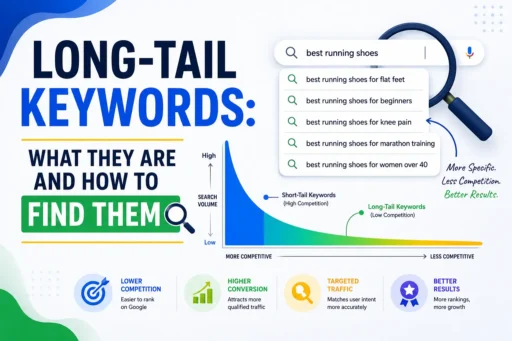
Long-tail keywords have become increasingly valuable. These longer, more specific phrases tend to be less competitive and easier to rank for while attracting more qualified traffic. As people interact more with generative AI, conversational keyword patterns continue growing in importance.
Modern keyword research tools like Semrush, Ahrefs, and Google Keyword Planner provide crucial data on search volume, keyword difficulty, click-through rates, and SERP features. At Search Savvy, we recommend focusing on keywords with moderate search volume (500-2,000 monthly searches for B2B), lower competition scores, and clear alignment with your target audience’s intent.
Step 1: Audit Your Current Keyword Rankings
Keyword rankings improvement starts with knowing exactly where you stand. Without baseline data, you’re essentially flying blind, unable to measure progress or identify your most promising opportunities.
Conduct a comprehensive ranking audit using Google Search Console or dedicated SEO platforms. Export your current positions, impressions, clicks, and click-through rates for all keywords your site ranks for. According to Search Savvy’s analysis, this data reveals three critical opportunity categories:
Quick Wins: Pages ranking positions 11-20 on page two represent your fastest path to page-one visibility. These pages already demonstrate topical authority to search engines-they just need tactical improvements to break through where 90% of clicks happen. At Search Savvy, we’ve seen these pages reach page one within 4-8 weeks with focused optimization.
Hidden Gems: Keywords generating high impressions but low click-through rates indicate optimization opportunities. Your pages appear in search results but aren’t compelling enough to earn clicks. Improving titles, meta descriptions, and content relevance can dramatically increase traffic without changing positions.
Declining Assets: Pages that previously ranked well but have lost positions need urgent attention. Content becomes outdated quickly, and pages losing rankings often indicate competitors have published superior content or search intent has evolved.
Step 2: Identify High-Impact Target Keywords
Keyword rankings strategy succeeds when you prioritize the right targets. Not all keywords deliver equal value-focusing on high-volume vanity metrics often wastes resources that could be better invested in keywords that actually convert.
Use keyword research tools to identify opportunities that balance search volume, competition level, and commercial intent. At Search Savvy, we recommend prioritizing keywords where you already rank positions 11-20, as these offer the fastest ROI. Additionally, analyze competitor keywords to identify gaps in your content strategy.
Score potential target keywords based on multiple factors: relevance to your business objectives, search intent match, monthly search volume, keyword difficulty, and your domain authority relative to competitors. Keywords with 500-2,000 monthly searches, lower difficulty scores, and clear commercial or transactional intent typically deliver the best results for B2B companies.
Don’t overlook long-tail keyword opportunities. Phrases like “best gluten-free vegan cupcakes recipe” may have lower search volume than “vegan cupcakes,” but they attract more qualified traffic and face less competition. In 2026, these longer, conversational queries have become increasingly important as voice search and AI interactions grow.
How Should You Optimize On-Page Elements for Better Rankings?
Keyword rankings depend heavily on on-page optimization-how you structure and present your content to both search engines and users. In 2026, on-page SEO has evolved beyond simple keyword placement to encompass content clarity, semantic completeness, and AI readability.
Title Tag Optimization: Your title tag remains one of the most important ranking factors. Include your target keyword near the beginning of the title while keeping it under 60 characters. According to research from Backlinko, titles starting with the target keyword tend to rank higher. Make titles compelling for users too-boring titles kill click-through rates even with perfect optimization.
URL Structure: Keep URLs clean, descriptive, and keyword-focused. A URL like /improve-keyword-rankings-google/ outperforms generic structures like /p=12345/. If you’re changing URL structure, always implement 301 redirects to maintain ranking momentum.
Header Tags: Use H2 and H3 subheadings to structure content logically. In 2026, question-based headers work particularly well for AI and voice search optimization. Headers like “How does keyword research work in 2026?” or “Why are keyword rankings important?” help search engines understand content structure while satisfying user intent.
Meta Descriptions: While not a direct ranking factor, meta descriptions significantly impact click-through rates. Write compelling 155-character previews that include target keywords naturally and provide clear value propositions. At Search Savvy, we’ve seen CTR improvements of 20-40% from optimized meta descriptions alone.
Step 3: Create Comprehensive, Intent-Focused Content
Keyword rankings in 2026 require content that genuinely satisfies user intent-not just keyword-stuffed pages. Google’s algorithms have evolved to prioritize text relevance, which Semrush’s ranking factors study confirmed as the most important ranking factor.
First, analyze the current top-ranking pages for your target keyword. What content format dominates-listicles, how-to guides, comparison articles, or product reviews? What questions do they answer? What depth of coverage do they provide? Successful content matches or exceeds the prevailing format while adding unique value.
Create content that addresses the full spectrum of user questions around your topic. At Search Savvy, we recommend the “topic cluster” approach rather than isolated keyword targeting. This means creating comprehensive hub pages supported by detailed subtopic pages, all interlinked to establish topical authority.
Avoid keyword stuffing-integrate primary keywords naturally at 0.5-1.5% density while incorporating synonyms and semantically related phrases. Modern search algorithms understand context and natural language, so forced keyword repetition actually harms rankings. Instead, focus on comprehensively covering the topic using varied terminology.
Include multimedia elements. YouTube videos embedded in blog posts have been shown to improve rankings, as Google interprets video as a quality signal. Similarly, original images, infographics, and data visualizations increase engagement and shareability. According to recent SEO trends, pages with diverse media types tend to outperform text-only content.
What Technical SEO Elements Impact Keyword Rankings?
Keyword rankings require solid technical foundations. Even exceptional content fails to rank if technical issues prevent proper crawling, indexing, or user experience. In 2026, technical SEO has become increasingly important as Core Web Vitals and mobile-first indexing dominate ranking algorithms.
Page Speed: Site speed directly impacts rankings and user experience. Websites that are fast and mobile-friendly stand to perform better across traditional and AI search. Use Google PageSpeed Insights to identify performance bottlenecks and implement recommended fixes. At Search Savvy, we’ve observed that pages loading in under 2.5 seconds significantly outperform slower competitors.
Mobile Optimization: With mobile devices and smartphones consistently driving over 50% of global website traffic-reaching 62.73% in 2025-mobile optimization isn’t optional. Google’s mobile-first index means the mobile version of your site determines rankings, even for desktop searches. Ensure responsive design, readable fonts without zooming, and touch-friendly navigation.
HTTPS Security: Site security has been a ranking factor since 2014. If your URL doesn’t show HTTPS, you’re sacrificing both rankings and user trust. SSL certificates ensure secure data transmission and reassure visitors your site is safe for sensitive information.
Internal Linking: Strategic internal links distribute page authority throughout your site while helping search engines understand content relationships. Link from high-authority pages to newer content you want to rank. Use descriptive anchor text that includes related keywords naturally.
Step 4: Build High-Quality Backlinks
Keyword rankings heavily depend on backlink quality and quantity. Despite predictions of link building’s demise, backlinks remain a crucial ranking factor. However, the strategies that work have evolved significantly. In 2024-2025, 73.3% of content marketers said link building played a significant role in their strategies, though that number dropped to 53.3% by 2025 as focus shifted toward quality over quantity.
Focus on earning links from authoritative, relevant sources rather than chasing high volumes of low-quality links. According to research from Editorial Link, a backlink typically takes 2-6 weeks to impact search rankings, while approximately 86% of guest posting sites are low quality (below 10K monthly traffic and DR 40).
Effective Link Building Strategies for 2026:
Digital PR and Original Research: Publishing unique data, industry surveys, or original research naturally attracts links from journalists and industry publications. At Search Savvy, we’ve seen clients earn 15-30 high-authority links from a single well-promoted research piece.
Resource Page Link Building: Identify resource pages in your industry and reach out with genuinely valuable content that deserves inclusion. These curated lists provide contextual, relevant backlinks.
Broken Link Building: Find broken links on relevant websites, then offer your content as a replacement. This provides value to the site owner while earning you a quality link.
Strategic Guest Posting: While mass guest posting on low-quality sites hurts more than it helps, thoughtfully written articles for reputable industry publications build authority and attract qualified traffic. Vet potential sites carefully-prioritize domain authority, organic traffic, and audience relevance over volume.
Step 5: Optimize for AI and Voice Search
Keyword rankings in 2026 increasingly depend on AI optimization strategies. With AI assistants expected to handle 25% of global queries by 2026, optimizing for generative search experiences has become essential. At Search Savvy, we’ve developed specialized strategies for improving visibility in AI Overviews, ChatGPT, Perplexity, and similar platforms.
Structure content to answer specific questions directly. AI systems prioritize clear, authoritative answers that satisfy user intent immediately. Use question-based subheadings (H2 and H3 tags) that match natural language queries. For example, “How does keyword research work in 2026?” directly addresses how users phrase questions to AI assistants.
Create FAQ sections that address “People Also Ask” style questions. These concise Q&A blocks serve double duty-they appear in traditional SERP features while also providing optimal content for AI systems to cite. According to industry data, only 5.4% of Google AI Overviews contained exact query matches, proving that intent and context matter more than keyword matching.
Implement schema markup to help search engines understand your content structure. Organization, FAQ, How-To, and Article schemas improve your chances of appearing in AI-generated answers. At Search Savvy, we’ve tracked significant AI visibility improvements for clients who properly implement structured data.
Test how AI tools respond to queries in your niche. Use ChatGPT, Google’s AI Mode, and other platforms to see what sources they cite for relevant questions. If competitors appear but you don’t, create comprehensive content addressing those specific queries. Semrush’s Visibility Report now tracks brand mentions across AI platforms, showing your share of voice compared to competitors.
What Role Does User Experience Play in Keyword Rankings?
Keyword rankings increasingly reflect user experience quality. Google knows when visitors “pogo stick”-quickly returning to search results after landing on your page-which signals your content didn’t satisfy their needs. Poor user experience directly harms rankings while excellent UX indirectly boosts them through improved engagement metrics.
Core User Experience Elements:
Intuitive Navigation: Visitors should find what they need within three clicks. Clear menu structures, logical content hierarchy, and prominent search functionality keep users engaged rather than frustrated.
Readable Content: Use short paragraphs (2-3 sentences), ample white space, descriptive subheadings, and bullet points to improve scanability. At Search Savvy, we recommend paragraph lengths under 100 words for optimal readability on mobile devices.
Visual Hierarchy: Guide users through content with strategic use of headers, bold text for emphasis, and visual elements that break up text. Pages with clear visual structure achieve lower bounce rates and longer engagement times.
Fast Load Times: Users expect pages to load in under three seconds. Every additional second of load time increases bounce rates exponentially. Compress images, minimize code, leverage browser caching, and use content delivery networks to maximize speed.
Mobile Experience: With mobile traffic exceeding 62% of all website visits, mobile UX can’t be an afterthought. Test your site on multiple devices and screen sizes. Ensure tap targets are appropriately sized, text remains readable without zooming, and forms work smoothly on touchscreens.
Step 6: Leverage Content Updating and Refreshing
Keyword rankings require ongoing maintenance-not just one-time optimization. Content naturally ages and loses relevance, especially in marketing and technology where strategies and tools evolve rapidly. According to Backlinko, updating an existing article can deliver 70%+ organic traffic boosts, often providing much higher ROI than creating new content from scratch.
Implement quarterly content audits to identify pages needing attention. Use Google Search Console to track traffic trends and identify declining assets. Pages that previously drove significant traffic but show declining trends need immediate optimization. At Search Savvy, we categorize content updates into three levels:
Optimizations (Quick Wins): Small on-page tweaks like adding internal links, updating images, tweaking meta tags, or adding calls-to-action. These require minimal time but can deliver meaningful improvements.
Upgrades (Medium Effort): 15-70% content changes including updating statistics, refreshing examples, adding new sections, or improving visuals. These substantial improvements keep content competitive with newer competitor pages.
Rewrites (Major Overhaul): More than 70% content changes involving rethinking structure, angle, or approach. Reserve rewrites for high-value pages that have significantly lost rankings or where search intent has fundamentally shifted.
When updating content, focus on:
- Refreshing statistics and data with 2026 figures
- Adding new sections covering recent developments
- Updating examples and case studies
- Improving content structure for better readability
- Expanding thin sections that lack depth
- Adding multimedia elements like embedded videos or infographics
Step 7: Monitor, Measure, and Iterate
Keyword rankings improvement requires consistent monitoring and data-driven iteration. Without tracking progress, you can’t identify what’s working, what needs adjustment, or which opportunities to prioritize next. At Search Savvy, we recommend establishing clear KPIs before beginning any optimization work.
Essential Metrics to Track:
Keyword Position Changes: Track rankings for all target keywords weekly. Use tools like Google Search Console, Ahrefs, or Semrush to automate tracking. Document starting positions to measure progress over time. At Search Savvy, we’ve found that 4-8 weeks typically shows initial position movement, while measurable conversion impact requires 8-12 weeks.
Organic Traffic Trends: Monitor overall organic sessions in Google Analytics 4. Break down traffic by landing page to identify top performers and declining assets. Traffic increases without ranking improvements often indicate improved click-through rates or additional long-tail keyword capture.
Click-Through Rates: Low CTR despite good rankings signals title and meta description problems. A/B test different messaging approaches to find what resonates with your audience. Industry data shows CTR varies dramatically by position-39.8% for position 1 but just 7.4% for position 4.
Conversion Rates: Rankings and traffic mean nothing if they don’t drive business results. Track leads, sales, or other goal completions by organic landing page. This reveals which keywords attract qualified prospects versus curiosity seekers.
Engagement Metrics: Bounce rate, time on page, and pages per session indicate content quality and relevance. High bounce rates suggest intent mismatch-visitors aren’t finding what they expected based on your SERP presence.
Set up automated reporting dashboards in Google Analytics 4 and Search Console. Weekly snapshots of key metrics help you spot trends early and respond quickly to both opportunities and problems.
Step 8: Build E-E-A-T Signals
Keyword rankings in 2026 heavily depend on Experience, Expertise, Authoritativeness, and Trustworthiness (E-E-A-T)-Google’s framework for evaluating content quality. Following the June Core Update in 2025, this emphasis intensified dramatically. At Search Savvy, we’ve observed that websites demonstrating strong E-E-A-T signals consistently outrank technically perfect but less authoritative competitors.
Demonstrating Experience: First-hand experience with topics separates authoritative content from generic information. Include personal case studies, original data, detailed examples, and specific outcomes from your work. For instance, instead of writing “social media marketing works,” share “Our client increased Instagram engagement by 340% using this three-step strategy.”
Establishing Expertise: Author bylines with credentials, professional bios highlighting relevant qualifications, and links to author social profiles all signal expertise. At Search Savvy, we recommend creating detailed author pages that showcase qualifications, publications, and industry recognition.
Building Authority: Industry recognition builds authority. Pursue podcast appearances, guest articles on reputable publications, speaking engagements, and industry awards. Citations from other authoritative sites signal to Google that your brand matters in your field. The websites that win in 2026 are ones with strong social credibility across multiple platforms.
Demonstrating Trustworthiness: Display trust signals prominently: customer testimonials, case studies with real results, security badges for ecommerce sites, clear contact information, and transparent privacy policies. Third-party review platforms like G2, Capterra, or Trustpilot provide external validation that reinforces trustworthiness.
Step 9: Optimize for Featured Snippets and SERP Features
Keyword rankings strategy must account for featured snippets, People Also Ask boxes, and other SERP features that appear above traditional organic results. Approximately 60% of searches now result in zero clicks-users get their answers directly from SERP features without visiting any website. While this reduces click-through traffic, appearing in these features builds brand awareness and positions you as an industry authority.
Featured Snippet Optimization: Snippets typically pull from content ranking on page one, usually positions 1-5. Format content specifically to capture snippets:
- Answer questions directly in 40-60 words immediately following an H2 question header
- Use definition formats: “[Term] is [concise definition]”
- Create numbered lists for process-based queries
- Build comparison tables for versus queries
- Use bulleted lists for list-based queries
People Also Ask (PAA) Optimization: Create dedicated FAQ sections answering related questions in your niche. Each answer should be 2-3 concise sentences that directly address the question. At Search Savvy, we’ve seen PAA appearances drive significant brand awareness even when they don’t generate direct clicks.
Video Carousel Optimization: For visual or instructional topics, YouTube videos increasingly appear in search results. Create high-quality videos for your target keywords, optimize titles and descriptions with relevant keywords, and embed videos in corresponding blog posts to maximize visibility.
Local Pack Optimization: For location-based searches, optimizing your Google Business Profile is essential. Complete all profile sections, gather customer reviews regularly, add high-quality photos, and ensure NAP (Name, Address, Phone) consistency across all platforms. According to recent data, 42% of users click on results displayed within the Google Maps Pack for local searches.
Step 10: Adapt to Generative Search Evolution
Keyword rankings strategy for 2026 must acknowledge that traditional blue links represent only one aspect of search visibility. With the rapid growth of AI Overviews, ChatGPT search, Perplexity, and other generative answer engines, the concept of “ranking” has evolved beyond simple position numbers. At Search Savvy, we guide clients through what we call “Search Everywhere Optimization”-ensuring visibility across all search platforms and formats.
Generative Engine Optimization (GEO): While traditional SEO traffic currently generates 34x more traffic than GEO traffic, generative search is growing rapidly. ChatGPT reached 800 million users by October 2025, and AI assistants are expected to handle 25% of all queries by 2026. Position your brand for this shift:
Citation-Worthy Content: AI systems cite authoritative sources that clearly answer specific questions. Create comprehensive, fact-based content that AI tools can confidently reference. Include clear statements of fact, cite reputable sources, and avoid hedging language that creates ambiguity.
Brand Building: AI tools increasingly factor brand reputation into their recommendations. Build your social proof through podcast appearances, industry recognition, media mentions, and third-party reviews. The more your brand appears in trusted sources, the more likely AI systems include you in their responses.
Authority Signals: According to research from ALM Corp, authority building can increase AI citations by 400%+. Focus on earning mentions in high-authority publications, building a strong backlink profile from industry leaders, and establishing thought leadership through original research and expert commentary.
Multi-Platform Strategy: Don’t abandon traditional SEO for GEO-maintain strength in both. Google still owns 82.24% of global search market share, delivering the overwhelming majority of organic traffic. However, also track your visibility in AI tools using platforms like Semrush’s Visibility Report to monitor brand mentions across ChatGPT, Google AI Mode, Perplexity, and other platforms.
Frequently Asked Questions About Keyword Rankings
How long does it take to see keyword ranking improvements?
Keyword ranking improvements typically follow a predictable timeline based on your starting position and competition level. Pages ranking positions 11-20 on page two can often reach page one within 4-8 weeks with focused optimization. However, measurable conversion impact usually requires 8-12 weeks as rankings stabilize and traffic compounds. According to Editorial Link research, backlinks typically take 2-6 weeks to impact rankings. For highly competitive keywords or new domains with limited authority, expect 3-6 months for significant position improvements. Patience and consistent effort deliver better results than sporadic optimization bursts.
What’s the difference between keyword rankings and keyword difficulty?
Keyword rankings represent your current position in search results for specific queries, while keyword difficulty (KD) measures how challenging it is to rank on page one for that term. KD scores typically range from 0-100, with higher numbers indicating more competition from established, authoritative sites. According to Search Savvy’s methodology, prioritize keywords where the difficulty aligns with your domain authority-targeting KD 70+ terms with a new domain wastes resources, while established sites can successfully compete for higher-difficulty keywords. Balance difficulty with search volume and commercial intent to identify realistic opportunities that drive business results.
Can I rank for multiple keywords with one page?
Absolutely-in fact, well-optimized pages naturally rank for hundreds or thousands of related keywords. According to Backlinko research, top-ranking pages typically appear for 100+ keyword variations. Focus on comprehensive topic coverage rather than isolated keyword targeting. Use primary keywords in critical elements (title, headers, meta description), but naturally incorporate synonyms, related phrases, and semantic variations throughout the content. This approach, called “topic cluster” optimization, builds topical authority while capturing long-tail variations. However, avoid keyword cannibalization where multiple pages compete for identical keywords-consolidate or differentiate content to prevent self-competition.
Do social media signals impact keyword rankings?
Social signals don’t directly influence keyword rankings-Google has confirmed social shares aren’t ranking factors. However, social media indirectly impacts rankings through multiple pathways. Strong social presence increases content discovery, leading to more backlinks from bloggers and journalists who find your content via social platforms. Social traffic to your site generates engagement signals (time on page, bounce rate) that influence rankings. Additionally, in 2026, brand visibility across multiple platforms (social media, podcasts, reviews) builds the authority signals that improve rankings. At Search Savvy, we recommend treating social media as a content distribution and brand-building channel that supports overall SEO efforts rather than expecting direct ranking benefits.
Should I focus on short-tail or long-tail keywords?
Balance both approaches based on your domain authority and business objectives. Short-tail keywords (1-2 words) offer high search volume but fierce competition and often vague intent. Long-tail keywords (3+ words) provide lower volume but higher conversion rates, less competition, and clearer intent. For new sites or limited authority domains, start with long-tail keywords where you can realistically compete. As domain authority builds, gradually target more competitive short-tail terms. According to Search Savvy’s client data, long-tail keywords often deliver 2-3x higher conversion rates than generic short-tail terms because they attract visitors with specific needs already in buying mode. A comprehensive strategy includes both-using long-tail variations to build initial authority while working toward competitive head terms.
How do AI Overviews affect keyword rankings?
AI Overviews have significantly impacted traditional organic traffic, contributing to the 3.65% decrease in organic traffic share during 2025. However, keyword rankings remain important even with AI Overviews present. Pages appearing in AI Overviews still need strong traditional rankings-Google typically pulls Overview content from top-ranking pages. Additionally, AI Overviews don’t appear for all queries. According to recent data, only one of the top 1,000 “roofing company in [location]” queries generated an AI Overview, showing local and transactional queries often bypass Overviews. At Search Savvy, we recommend optimizing for both traditional rankings and AI Overview inclusion through clear question-answer formats, authoritative content, and structured data implementation. This dual approach maximizes visibility regardless of which SERP format appears.
Conclusion
Keyword rankings in 2026 require a sophisticated, multi-faceted approach that balances traditional SEO fundamentals with emerging AI optimization strategies. While the landscape continues evolving-with AI Overviews, generative search, and zero-click results reshaping user behavior-the core principles remain consistent: create exceptional content that satisfies user intent, build topical authority through comprehensive coverage, earn quality backlinks from reputable sources, and maintain technical excellence.
At Search Savvy, we’ve guided hundreds of clients through these transformations, helping them achieve sustainable ranking improvements that drive measurable business results. The 10-step framework outlined in this guide-from comprehensive audits through AI optimization-provides a roadmap for succeeding in today’s complex search environment.
Remember that SEO is a marathon, not a sprint. Consistent effort compounds over time, with pages building authority, backlinks accumulating value, and brand recognition expanding across platforms. Focus on steady progress rather than overnight success, measure what matters (conversions, not just traffic), and continuously adapt as search algorithms evolve.
The businesses winning in 2026 aren’t necessarily those with the largest budgets or most aggressive tactics. They’re the ones providing genuine value, demonstrating clear expertise, and building trust with both users and search engines. By following this guide and maintaining a commitment to quality, you’ll position your business for long-term success in search-regardless of how the landscape continues to transform.
Ready to improve your keyword rankings? Start with Step 1 today: audit your current positions, identify your quick wins, and take the first concrete action toward page-one visibility. The journey to better rankings begins with a single optimization.