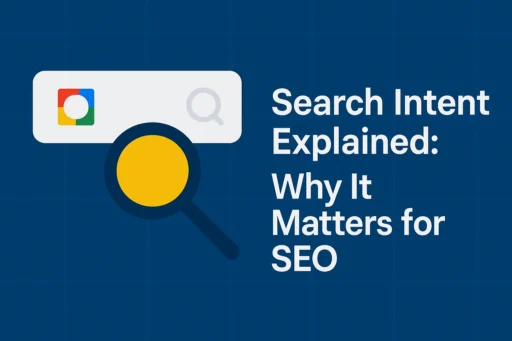

Search intent has become the cornerstone of successful SEO strategies in 2025. At Search Savvy, we’ve witnessed firsthand how understanding what users truly want when they search can transform a struggling website into a traffic powerhouse. Search intent, also called user intent or keyword intent, refers to the underlying purpose behind every query typed into a search engine. It’s the “why” behind the search-whether someone wants to learn something new, find a specific website, compare products, or make a purchase.
Understanding search intent is no longer optional for businesses that want to succeed online. According to Search Savvy’s research and industry insights, 52% of Google searches are informational, 32% are navigational, 14.5% are commercial, and less than 1% are transactional. These statistics reveal that most people use search engines to learn and discover, not just to buy. If your content doesn’t align with what searchers actually want, you’ll struggle to rank-regardless of how well-written or technically optimized your pages might be.
How Does Search Intent Work in 2025?
Search intent works by matching user expectations with the most relevant content available. Google’s sophisticated algorithms have evolved far beyond simple keyword matching. Satisfying search intent is ultimately Google’s number one goal. The search giant analyzes hundreds of signals to determine what users really want when they type a query, then ranks pages accordingly.
When you search for “quick kale recipes,” Google understands you’re hungry and want something fast. If the top result takes over an hour to prepare, users quickly bounce back to the search results. If enough people that search for “quick kale recipe” feel the same way, that result will get a significant rankings boost. This behavior-based ranking adjustment happens constantly, making user satisfaction the ultimate ranking factor.
At Search Savvy, we emphasize that Google has essentially become a matchmaker between users and information. Your job as a content creator is to ensure your content perfectly matches what users expect to find. This means analyzing the search results for your target keywords and creating content that follows the same format and depth as the top-ranking pages.
What Are the Four Types of Search Intent?
Understanding the four main categories of search intent helps you create targeted content that resonates with your audience at different stages of their journey.
Informational Intent
Search intent of the informational variety represents users seeking knowledge or answers to questions. These searches often begin with phrases like “how to,” “what is,” “why does,” or “guide to.” Users at this stage aren’t ready to buy-they’re in learning mode.
Examples of informational queries:
- “What is blockchain technology?”
- “How to bake sourdough bread”
- “Why is the sky blue?”
- “SEO best practices 2025”
Search intent optimization for informational keywords requires creating comprehensive guides, how-to articles, tutorials, FAQs, videos, and infographics. Your content should educate and address questions directly without pushing for a sale. According to recent data, informational searches make up 52% of all Google queries, making this the largest category by far.
Navigational Intent
Search intent with navigational purpose occurs when users know exactly where they want to go but use Google as a shortcut to get there. These searches typically include brand names or specific website destinations.
Examples of navigational queries:
- “Facebook login”
- “Netflix customer service”
- “Amazon Prime account”
- “YouTube Studio”
For navigational intent, focus on making your brand pages, login portals, official links, and key landing pages easily discoverable. Ensure your homepage clearly states your purpose and what visitors can expect. Navigational searches represent 32% of all Google queries, demonstrating that brand visibility matters immensely.
Commercial Intent
Search intent of the commercial type represents users who are researching products or services but aren’t quite ready to purchase. They’re in the consideration phase, comparing options, reading reviews, and evaluating which solution best fits their needs.
Examples of commercial queries:
- “Best laptops for students 2025”
- “iPhone 17 vs Samsung Galaxy S25”
- “Top SEO tools comparison”
- “Nike running shoes reviews”
Commercial keywords often contain modifiers like “best,” “top,” “versus,” “review,” “compare,” or “alternatives.” To satisfy commercial search intent, create detailed comparison guides, honest product reviews, “best of” lists, case studies, and roundup articles. Commercial searches account for 14.5% of Google queries, making them crucial for influencing purchase decisions.
Transactional Intent
Search intent with transactional purpose indicates users are ready to take action-whether that’s making a purchase, signing up for a service, downloading a resource, or booking an appointment. These users have made their decision and want to complete the transaction.
Examples of transactional queries:
- “Buy iPhone 17 Pro online”
- “Subscribe to Netflix Premium”
- “Download Adobe Photoshop trial”
- “Book hotel in New York”
For transactional intent, optimize your product pages, landing pages, checkout processes, and calls-to-action. Make the purchasing process simple, trustworthy, and friction-free. While transactional keywords make up less than 1% of all searches, they represent the highest-value traffic because these users are ready to convert.
Why Is Search Intent Important in 2025?
Search intent has become even more critical in 2025 due to several major developments in search technology and user behavior.
AI and Natural Language Processing
With advances in natural language processing, voice search, and AI-driven personalization, search engines are no longer fooled by keyword stuffing or generic landing pages. Google’s algorithm can understand context, synonyms, and even the subtle differences between similar queries. This means matching search intent is more important than ever.
At Search Savvy, we’ve seen how AI-powered features like Google’s AI Overviews are changing the search landscape. Recent research shows that AI Overviews primarily target informational queries, with commercial, transactional, and navigational intent gradually increasing from January to March 2025. This evolution means content creators must adapt their strategies to remain visible.
Improved Rankings and Visibility
Search intent directly impacts your ability to rank in search results. If your page doesn’t satisfy search intent, it’s not going to rank, regardless of how many backlinks you have or how technically perfect your site might be. Google prioritizes relevance over traditional ranking signals.
A striking example comes from a case study where a well-written, high-quality piece of content remained stuck on page two for months. Only after rewriting the content to match search intent did it climb to a featured snippet position-without gaining any new backlinks or using special tricks. This demonstrates the raw power of intent alignment.
Higher Engagement and Conversions
When your content matches search intent, users spend more time on your pages, engage more deeply with your content, and are more likely to convert. Pages with thorough, intent-aligned content had a 93% higher dwell time, which Google recognizes as a positive ranking signal.
According to Search Savvy’s client data and industry reports, businesses that realign their content with search intent can improve conversion rates significantly. When users find exactly what they’re looking for, they’re more likely to trust your brand, explore additional pages, and ultimately become customers.
Voice Search Optimization
50% of the U.S. population uses voice search daily, and voice queries tend to be more conversational and question-based than typed searches. Optimizing for search intent means understanding these natural language patterns and creating content that directly answers spoken questions.
Voice search users expect immediate, precise answers. Creating content structured around question-based headings and concise responses positions your content to capture this growing traffic source.
How Do I Identify Search Intent for My Keywords?
Identifying search intent requires a systematic approach that combines multiple research methods. Here’s how Search Savvy recommends analyzing intent:
Analyze the Search Results
The most reliable way to determine search intent is to examine what’s currently ranking. Type your target keyword into Google and carefully study the top 10 results. Ask yourself:
- What type of content appears? (blog posts, product pages, videos, guides)
- What format dominates? (listicles, how-to guides, comparisons, landing pages)
- What’s the content angle? (beginner-friendly, in-depth, product-focused)
- What SERP features appear? (featured snippets, People Also Ask, video carousels)
If you search for “best smartphones 2025,” the results will be listicles and comparison guides-not product pages, because Google knows users searching for this keyword are in the research phase, not ready to buy yet. Conversely, searching “buy iPhone 15 online” returns e-commerce pages because the intent is clearly transactional.
Study SERP Features
Featured snippets usually indicate informational intent-Google is providing a direct answer to a question. The “People Also Ask” section reveals related questions users are asking, giving you insight into what information gaps exist. Video carousels suggest visual content performs well for that query.
These SERP features provide valuable clues about what type of content Google believes best satisfies user intent. Structure your content to match these patterns.
Examine Keyword Modifiers
The words surrounding your main keyword reveal intent. Pay attention to:
- Informational modifiers: “how,” “what,” “why,” “guide,” “tutorial”
- Commercial modifiers: “best,” “top,” “review,” “compare,” “versus”
- Transactional modifiers: “buy,” “purchase,” “order,” “download,” “subscribe”
- Navigational modifiers: brand names, “login,” “account,” “official”
Understanding these patterns helps you quickly categorize keywords and plan appropriate content types.
Use SEO Tools
Professional SEO tools can streamline intent analysis. Platforms designed for keyword research and connected to mainstream SEO tools can directly review Google SERPs and analyze them using AI, making them the best tools to identify the right search intent. These tools provide comprehensive reports showing the percentage of results belonging to various intent categories.
Popular tools for intent analysis include:
How Can I Optimize My Content for Search Intent?
Once you’ve identified search intent, the next step is creating content that perfectly aligns with user expectations.
Match Content Format to Intent
Your content type should mirror what’s already ranking. If the top results for your target keyword are all listicles, create a listicle. If they’re in-depth guides, write a comprehensive guide. If product pages dominate, optimize your product listings.
This doesn’t mean copying competitors-it means respecting the format users expect when they search for that particular query.
Address the Full User Journey
Consider creating content that serves multiple related intents. For instance, a comprehensive product guide might start with informational content explaining what the product category is, transition into commercial content comparing different options, and conclude with transactional elements showing where to buy.
Optimize Title Tags and Meta Descriptions
Your title and meta description are what users see first on Google, so they must clearly reflect the intent. When users see that your title matches what they want, they’re more likely to click, improving your click-through rate and rankings.
For informational content, use phrases like “How to,” “Complete Guide,” or “What Is” in your titles. For commercial content, use “Best,” “Top,” or “Review.” For transactional content, include clear calls-to-action like “Buy,” “Order,” or “Get.”
Create Comprehensive, Quality Content
Google evaluates content quality through E-E-A-T principles, user engagement metrics, and how well the content satisfies search intent. Focus on demonstrating Experience, Expertise, Authoritativeness, and Trustworthiness in your content.
This means:
- Writing from first-hand experience
- Showing subject matter expertise with detailed information
- Citing authoritative sources
- Building trust through transparency and accuracy
- Updating content regularly to maintain freshness
Structure Content for AI and Voice Search
With the rise of AI Overviews and voice search, structure your content with question-based H2 and H3 subheadings. Provide concise, direct answers immediately following each question heading. This format makes your content more likely to be featured in AI-generated summaries and voice search responses.
Monitor and Adjust
Search intent can evolve over time. Track changes in SERPs every 3-6 months and look for new or lost SERP features. If you have pages that aren’t performing well, revisit them and check what’s currently ranking for your target keyword. The dominant intent may have shifted, requiring you to update your content approach.
What Mistakes Should I Avoid When Optimizing for Search Intent?
Even experienced SEO professionals can make mistakes when working with search intent. Here are common pitfalls to avoid:
Keyword Stuffing Over Intent Alignment
SEO isn’t just about stuffing pages with keywords anymore. You can have the best content and still struggle to rank if it doesn’t match what searchers actually want. Focus on satisfying user needs rather than hitting arbitrary keyword density targets.
Creating the Wrong Content Type
If users searching for “quick recipes” expect a 10-minute meal and you provide an hour-long preparation process, they’ll bounce immediately. Similarly, trying to rank a blog post for a transactional keyword like “buy Nike shoes” won’t work when users expect product pages.
Ignoring SERP Signals
Don’t assume you know what users want-let the search results guide you. If Google consistently ranks a certain content format, there’s a reason. Most of the other content ranking for “SEO strategy” outlined a high-level SEO approach, so trying to rank a case study about one specific strategy didn’t work until the content was rewritten to match the dominant intent.
Neglecting Mobile Experience
With mobile searches making up 65.8% of all Google queries in early 2025, ensuring your content works flawlessly on mobile devices is critical. Mobile users often have different intent patterns than desktop users, frequently seeking quick answers or local information.
Forgetting About Mixed Intent
Some keywords have mixed or multiple intents. For example, “best laptops for students under $1000” combines informational (learning about laptops) and commercial/transactional intent (eventually purchasing). Understanding mixed search intent can help you create content that serves multiple purposes, providing both detailed information and buying options.
FAQ: Common Questions About Search Intent
Q: What is the difference between search intent and keyword research?
A: Keyword research identifies what terms people search for, while search intent analysis determines why they’re searching for those terms. Effective SEO requires both-knowing the keywords to target and understanding the purpose behind them.
Q: Can search intent change over time for the same keyword?
A: Yes, search intent can evolve based on seasonal trends, current events, technology changes, and shifting user behavior. That’s why regularly auditing your content and checking current SERP results is essential for maintaining rankings.
Q: How does search intent affect local SEO?
A: Local search intent represents nearly half of all Google searches. Many users include location modifiers or “near me” in their queries, indicating they want geographically relevant results. Optimizing for local intent requires strong Google Business Profile optimization, location-specific content, and local keywords.
Q: Should I create different content for each type of search intent?
A: Yes, each intent type typically requires a different content approach. However, you can also create comprehensive content that addresses multiple intents within a logical flow, guiding users from awareness through consideration to decision.
Q: How do AI Overviews affect search intent optimization?
A: AI Overviews primarily target informational content but are gradually expanding to commercial, transactional, and navigational queries. To optimize for AI Overviews, structure your content with clear headings, provide concise answers to questions, and ensure your information is accurate and authoritative.
Q: What role does search intent play in voice search?
A: Voice searches are typically conversational and question-based, often reflecting informational or local intent. Optimizing for voice search means creating content that directly answers natural language questions with clear, concise responses. Question-based subheadings and featured snippet optimization are particularly effective.
Conclusion: Make Search Intent Your SEO Foundation
Search intent has evolved from a nice-to-have consideration to an absolute necessity for SEO success in 2025. Understanding what users truly want when they search allows you to create content that ranks higher, engages more deeply, and converts more effectively.
At Search Savvy, we believe that aligning your content strategy with search intent is the most powerful thing you can do to improve your online visibility. By analyzing search results, understanding the four main intent types, and creating content that perfectly matches user expectations, you’ll position your business for sustainable SEO success.
Remember that search intent optimization is an ongoing process, not a one-time task. As Google’s algorithms continue advancing and user behavior evolves, staying attuned to what your audience needs will keep you ahead of the competition. Start by auditing your existing content, identifying intent mismatches, and systematically aligning your pages with what users actually want to find.
The websites that win in 2025 and beyond won’t be those that simply rank-they’ll be those that deliver exactly what users are searching for, at exactly the right moment in their journey. That’s the power of search intent, and that’s what Search Savvy helps businesses achieve every day.
Ready to transform your SEO strategy with search intent optimization? Contact Search Savvy today to discover how we can help you create content that ranks, engages, and converts.