

Keyword Gap Analysis is transforming how businesses approach SEO in 2026. If you’re struggling to understand why competitors consistently outrank you in search results, you might be overlooking valuable search terms that could drive significant traffic to your website. At Search Savvy, we’ve helped countless businesses discover untapped keyword opportunities that dramatically improve their organic visibility and search performance.
This comprehensive guide will walk you through everything you need to know about keyword gap analysis, from understanding the basics to implementing actionable strategies that deliver measurable results. Whether you’re a seasoned marketer or just starting your SEO journey, mastering this essential technique will give you the competitive edge you need in today’s crowded digital landscape.
What is Keyword Gap Analysis?
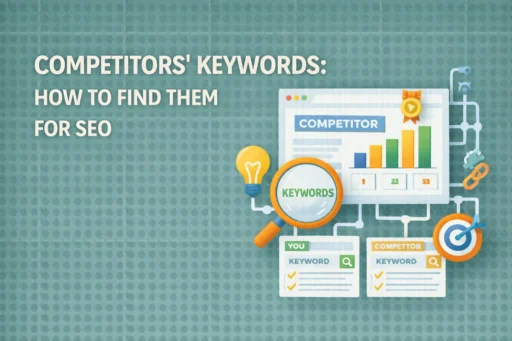
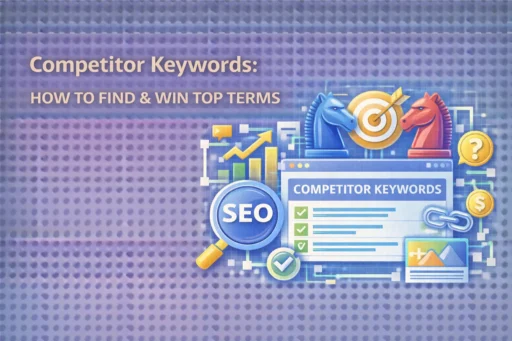
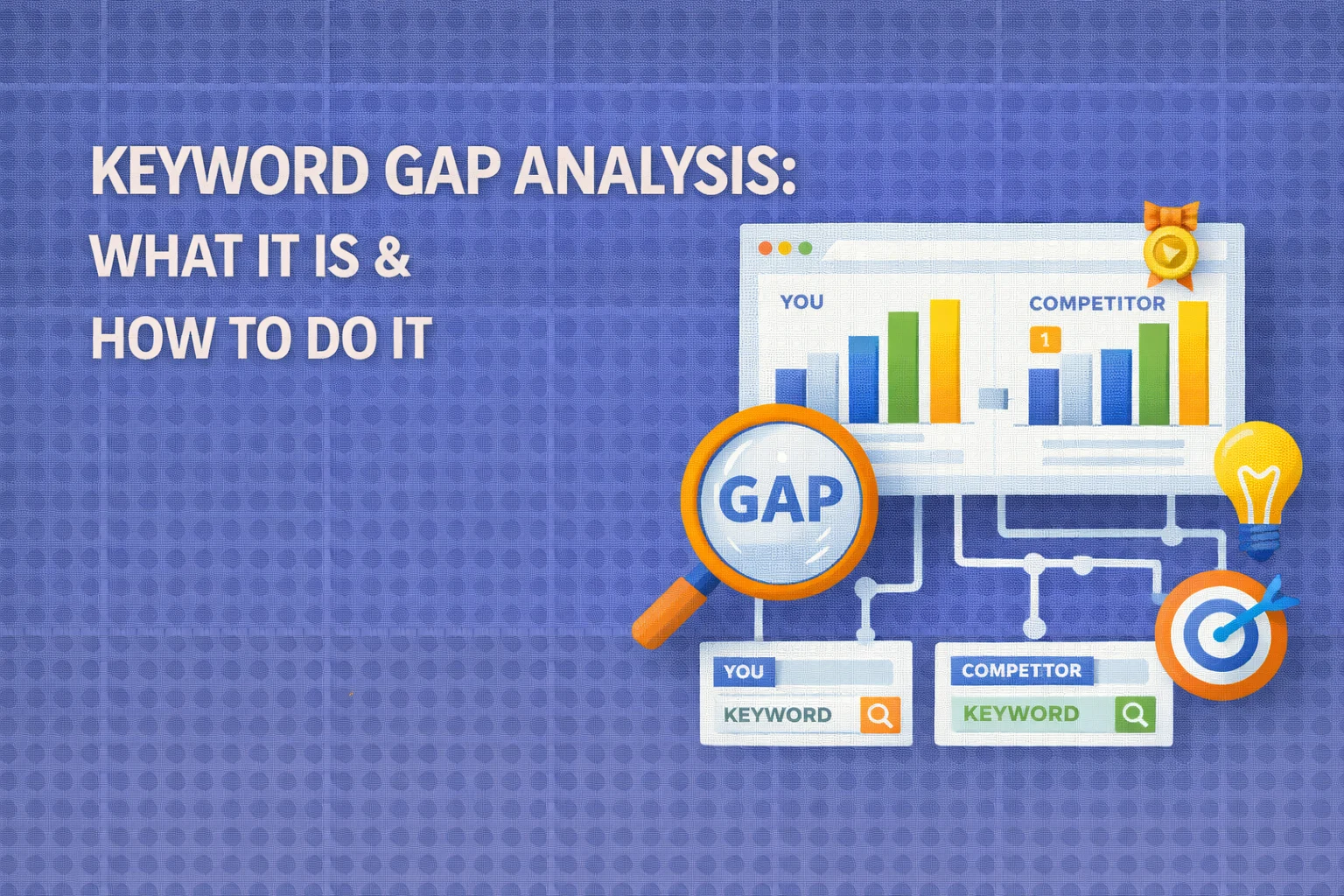
Keyword Gap Analysis is a strategic SEO process that compares your website’s keyword rankings against those of your competitors to identify valuable search terms they rank for, but you don’t. Think of it as strategic intelligence gathering-you’re discovering which keywords are driving traffic to your competitors’ sites while remaining absent from your content strategy.
At its core, this analysis reveals the “gaps” in your keyword coverage. These gaps represent missed opportunities where potential customers are finding your competitors instead of you. According to Search Savvy’s research and industry data, businesses that conduct regular keyword gap analyses can boost their organic traffic by up to 37% within six months.
The process goes beyond simple keyword research. While traditional keyword research helps you discover what people are searching for, keyword gap analysis shows you specifically which terms your competitors have successfully captured-giving you a data-backed roadmap for closing the distance between your rankings and theirs. A comprehensive keyword gap analysis helps you grow at least 70% quarter-over-quarter when implemented strategically.
How Does Keyword Gap Analysis Work?
Keyword Gap Analysis works by systematically comparing keyword data across multiple websites to uncover competitive advantages. The process leverages specialized SEO tools that can analyze thousands of keywords simultaneously, identifying patterns and opportunities that would be impossible to spot manually.
Here’s the fundamental workflow: First, you select your target competitors-typically 3-5 websites that compete for the same audience and rank well in your niche. Next, you use keyword gap analysis tools like Semrush, Ahrefs, or Search Atlas to extract and compare keyword data. These tools pull ranking information, search volumes, keyword difficulty scores, and traffic estimates for both your site and your competitors.
The tools then categorize keywords into distinct groups: keywords only your competitors rank for (true gaps), keywords where competitors rank higher than you (weak spots), keywords you share with competitors (overlap), and keywords only you rank for (unique strengths). This categorization provides a clear picture of where opportunities exist and which keywords deserve immediate attention.
Integration with other tools like Google Analytics and Google Search Console is essential for a seamless workflow, allowing you to track the effectiveness of your keyword targeting efforts over time.
Why is Keyword Gap Analysis Important in 2026?
Keyword Gap Analysis remains critically important in 2026 because the digital landscape has become increasingly competitive and sophisticated. With Google processing over 8.5 billion searches daily and 15% of those being entirely new queries, staying ahead requires continuous adaptation and intelligence about your competitive environment.
The importance extends beyond just discovering new keywords. This analysis helps you understand evolving consumer behavior, identify emerging trends in your industry before competitors capitalize on them, and allocate your content resources more effectively by focusing on proven opportunities rather than guesswork.
Search Savvy has observed that businesses neglecting keyword gap analysis often create content in silos, missing entire topic clusters that their audience actively searches for. Meanwhile, competitors capturing those keywords enjoy steady organic traffic growth and improved market positioning. In 2026’s AI-driven search landscape, where semantic search and topic authority matter more than ever, understanding and filling keyword gaps has become essential for maintaining competitive visibility.
AI Overviews now appear for 13.14% of all searches, making it even more crucial to understand which keywords provide the best opportunities for visibility in this evolving search environment.
What Are the Benefits of Conducting Keyword Gap Analysis?
Keyword Gap Analysis offers multiple strategic advantages that directly impact your bottom line. The most immediate benefit is discovering untapped traffic opportunities-search terms with proven demand that you haven’t targeted yet. These represent low-hanging fruit that can deliver quick wins for your SEO strategy.
Beyond traffic acquisition, the analysis provides invaluable competitive intelligence. You gain insight into your competitors’ content strategies, understanding which topics they’ve prioritized and which are driving their success. This knowledge helps you make informed decisions about content creation and optimization priorities.
Additional benefits include:
- Improved content strategy: Identify exactly what topics and questions your audience wants answered
- Better resource allocation: Focus your time and budget on keywords with proven performance
- Enhanced topic authority: Fill content gaps to establish comprehensive coverage of your niche
- Faster ranking improvements: Target keywords where competitors have already validated search demand
- Reduced guesswork: Replace intuition with data-driven decision-making
Businesses implementing regular keyword gap analysis typically see measurable improvements in organic traffic within 3-6 months, with some achieving growth rates exceeding 70% quarter-over-quarter.
How Do You Identify Your SEO Competitors?
Keyword Gap Analysis begins with identifying the right competitors to analyze. Your SEO competitors aren’t necessarily your direct business competitors-they’re websites that compete for the same keyword real estate in search results, regardless of whether they offer similar products or services.
Start by identifying direct competitors who offer similar products or services to your target audience. These are obvious starting points because they’re trying to attract the same customers. However, don’t stop there. Your SEO competitors also include websites that rank for your target keywords but might operate in adjacent spaces-blogs, review sites, industry publications, or even educational resources.
To find SEO competitors systematically, perform Google searches for your primary keywords and note which domains consistently appear in top positions. Tools like Semrush’s Organic Research can automatically identify competitor domains by analyzing keyword overlap. Similarly, Ahrefs’ Organic competitors feature provides a ranked list of websites competing for similar keyword spaces.
At Search Savvy, we recommend analyzing at least 3-5 competitors for comprehensive insights. Include a mix of established authority sites and emerging competitors to get a complete picture of your competitive landscape. Check industry forums, social media groups, and ask your sales team which brands customers mention as alternatives-these often reveal unexpected SEO competitors worth analyzing.
What Tools Are Best for Keyword Gap Analysis in 2026?
Keyword Gap Analysis requires powerful SEO tools that can process vast amounts of data quickly and accurately. In 2026, several platforms have established themselves as industry leaders, each offering unique strengths for different use cases and budgets.
Semrush remains the gold standard for comprehensive keyword gap analysis. Its dedicated Keyword Gap tool allows you to compare up to five domains simultaneously, categorizing keywords into “missing,” “weak,” “strong,” “shared,” and “unique” segments. The platform provides detailed metrics including search volume, keyword difficulty, competitive density, and SERP feature opportunities. Semrush’s integration with other SEO features-like site audits, backlink analysis, and position tracking-makes it ideal for agencies and enterprises managing multiple clients.
Ahrefs excels in data accuracy and depth, particularly for backlink analysis combined with keyword research. Its Content Gap feature identifies keywords multiple competitors rank for but you don’t, making it easy to spot high-value opportunities. The tool’s intuitive interface and robust keyword database make it popular among content marketers and SEO specialists.
Search Atlas offers innovative features like its Topical Dominance tool, which measures domain authority within specific topic areas-going beyond simple keyword rankings to assess comprehensive content coverage. This tool was the first to calculate Google’s “hidden ranking factor,” which suggests that strong topical coverage correlates with better rankings.
GetGenie AI brings artificial intelligence to keyword gap analysis, providing a content score along with competitive gap analysis and plagiarism reports when you write content. This AI-powered approach helps streamline the analysis process significantly.
For businesses with limited budgets, free options like Google Keyword Planner, Ubersuggest (limited free searches), and basic features in various SEO platforms provide entry-level keyword gap functionality without subscription fees. While less comprehensive than premium tools, they offer valuable starting points for small businesses and solopreneurs.
When selecting tools, consider your specific needs: budget constraints, the scale of analysis required, integration with existing workflows, reporting requirements, and the learning curve your team can handle.
How Do You Perform a Keyword Gap Analysis? (Step-by-Step)
Keyword Gap Analysis follows a systematic process that transforms raw competitor data into actionable SEO strategy. Here’s a detailed walkthrough of conducting an effective analysis:
Step 1: Compile Your Competitor List Start by identifying 3-5 competitors as discussed earlier. Include a mix of direct business competitors and SEO competitors ranking well for your target keywords. Document their URLs in a spreadsheet for easy reference throughout the process.
Step 2: Select Your Analysis Tool Choose an appropriate keyword gap analysis tool based on your budget and requirements. For this example, we’ll use Semrush, but the general principles apply across platforms. Navigate to the Keyword Gap tool within your chosen platform.
Step 3: Input Domains for Comparison Enter your domain and your competitors’ URLs into the tool. Most platforms allow comparing root domains, subdomains, or specific subfolders-choose the level that best matches your analysis goals. For blog-specific analysis, you might compare yoursite.com/blog/ against competitor blog subfolders.
Step 4: Run the Analysis and Export Data Click “Compare” or the equivalent button to run the analysis. The tool will generate a comprehensive list of keywords, typically categorized by gap type. Export this data to Excel or Google Sheets for deeper analysis and prioritization.
Step 5: Filter and Categorize Results Focus on keywords marked as “missing” (competitors rank, you don’t) and “weak” (you rank, but poorly compared to competitors). Apply filters to refine results by search volume (target keywords with meaningful traffic potential), keyword difficulty (prioritize attainable opportunities), and search intent (commercial, informational, navigational, transactional).
Step 6: Prioritize Keywords Strategically Not all gaps deserve equal attention. Create a prioritization framework considering search volume and traffic potential, keyword difficulty relative to your domain authority, relevance to your business offerings and expertise, current ranking position (if any), and commercial value or conversion potential. At Search Savvy, we recommend creating a scoring system that weighs these factors according to your business priorities.
Step 7: Analyze Search Intent For each priority keyword, analyze the search intent by reviewing current top-ranking pages. Determine whether users want information, specific products, how-to guides, or comparisons. This insight guides your content creation approach.
Step 8: Create Your Action Plan Develop a roadmap for addressing keyword gaps through new content creation for missing keywords, optimization of existing content for weak-performing keywords, and internal linking strategies to boost topical relevance. Schedule content production based on priority scores and available resources.
Step 9: Implement and Track Results Execute your content plan systematically. Use Google Search Console to monitor impressions and click-through rates for targeted keywords. Track ranking improvements weekly or monthly, and adjust your strategy based on performance data.
Step 10: Schedule Regular Reviews Keyword landscapes shift constantly. Schedule quarterly keyword gap analyses to identify new opportunities and track competitive movements. This ongoing process ensures you maintain and expand your competitive advantage over time.
How Do You Turn Keyword Gap Insights Into Content?
Keyword Gap Analysis data is only valuable when transformed into high-quality content that ranks and converts. The transition from spreadsheet to published content requires strategic planning and execution focused on user intent and comprehensive coverage.
Start by analyzing the top-ranking pages for your target gap keywords. Examine their content structure, depth of coverage, word count, multimedia elements, internal and external linking patterns, and SERP features they’ve captured (featured snippets, People Also Ask boxes, etc.). This competitive content analysis reveals what Google rewards for specific queries.
Next, create content that matches or exceeds competitor quality while adding unique value. Avoid simply replicating what already ranks-instead, identify gaps in existing content that you can fill. Perhaps competitors provide surface-level coverage of a topic where deeper analysis would serve users better. Or maybe they lack practical examples, case studies, or original research that you can provide.
Structure your content with search optimization in mind. Use header tags (H2, H3) formatted as questions that match natural search queries. Incorporate semantic keywords and related entities that strengthen topical authority. Implement schema markup where appropriate to enhance SERP appearance and improve chances of capturing featured snippets.
For existing content that ranks weakly for gap keywords, optimization often proves more efficient than creating new pages. Update and expand thin content with additional depth, incorporate missing keywords naturally throughout the text, improve page structure with clearer headings and better formatting, add multimedia elements like images, videos, or infographics, and strengthen internal linking to related content on your site.
Remember that search engines increasingly prioritize comprehensive topic coverage over keyword-stuffed pages. The most successful approach combines semantic SEO with strategic keyword placement-ensuring your content thoroughly addresses user needs while naturally incorporating target keywords.
What Are Common Mistakes to Avoid in Keyword Gap Analysis?
Keyword Gap Analysis, while powerful, comes with pitfalls that can waste resources and deliver disappointing results. Understanding these common mistakes helps you avoid them and maximize your analysis effectiveness.
Targeting Irrelevant Keywords: The biggest mistake is pursuing keywords simply because competitors rank for them, without considering relevance to your business. A software company shouldn’t target “free Excel templates” just because a competitor does-unless that aligns with their product offering and business model. Always filter gap keywords through a relevance lens before prioritization.
Ignoring Search Intent: Keywords with identical terms can have wildly different intents. “Apple” could mean the company, the fruit, or Apple Records. Creating content without understanding what searchers actually want leads to high bounce rates and poor rankings. Always manually review the top-ranking pages for your target keywords to confirm you understand user intent.
Overlooking Keyword Difficulty: Pursuing high-volume keywords that far exceed your domain authority sets you up for failure. A new website can’t realistically compete for “best CRM software” against established enterprises. Focus on attainable opportunities where your domain authority gives you a fighting chance, then work toward more competitive terms as your authority grows.
Neglecting Long-Tail Opportunities: Many businesses fixate on high-volume head terms while ignoring valuable long-tail keywords with lower competition and higher conversion rates. These specific, multi-word phrases often represent users further along the buyer’s journey, making them particularly valuable despite lower search volumes.
Failing to Consider Content Capacity: Identifying 500 keyword gaps means nothing if you lack the resources to create quality content addressing them. Be realistic about your content production capacity and prioritize accordingly. It’s better to thoroughly address 20 high-value gaps than superficially target 200.
Creating Thin Content: Rushing to create content for gap keywords without adequate depth and quality undermines your efforts. Search engines reward comprehensive, valuable content-not keyword-stuffed pages that barely address user needs.
One-Time Analysis Syndrome: Performing keyword gap analysis once and never revisiting it leaves you blind to new opportunities and competitive movements. Markets evolve, competitors publish new content, and search trends shift. Schedule regular analyses (quarterly minimum) to maintain your competitive edge.
How Does Keyword Gap Analysis Differ From Content Gap Analysis?
Keyword Gap Analysis and Content Gap Analysis are related but distinct SEO strategies that serve complementary purposes in a comprehensive content strategy. Understanding their differences helps you apply each effectively.
Keyword Gap Analysis, also called Content Gap Analysis by some practitioners, is a process of analyzing current content inventory on your and your competitors’ website and then finding missing keywords and topics on your website to target. It focuses specifically on search terms-the exact phrases and queries that competitors rank for but you don’t. It’s narrow in scope, targeting individual keywords and their variations. The primary question it answers is: “Which specific keywords are driving traffic to competitors that we’re missing?”
Content Gap Analysis takes a broader, more holistic view. It examines entire topics, content types, and customer journey stages where your content library falls short. Instead of focusing on specific keywords, it identifies themes, questions, and informational needs that competitors address but you haven’t covered. The question it answers is: “What topics and content formats does our audience need that we haven’t provided?”
For example, a keyword gap analysis for a SaaS company might reveal competitors rank for “CRM for small business automation” and “free CRM with email integration”-specific search terms with clear search volumes. A content gap analysis might reveal that competitors provide comprehensive onboarding guides, video tutorials, and case studies throughout the customer journey, while your content library focuses primarily on product features.
Both approaches complement each other powerfully. Unlike traditional keyword research where you need to come up with topics ideas and subtopics, with keyword gap analysis you only need to find the right competitors to get tons of great keyword ideas along with your competitors’ rankings. Start with content gap analysis to understand broad strategic gaps in your content library-entire topics or content types you’re missing. Then use keyword gap analysis to identify specific terms to target when creating content to fill those broader gaps.
Search Savvy recommends integrating both analyses into your regular SEO workflow. Content gap analysis helps with long-term strategic planning and ensuring comprehensive topic coverage, while keyword gap analysis provides tactical direction for specific content optimization and creation priorities.
How Often Should You Perform Keyword Gap Analysis?
Keyword Gap Analysis isn’t a one-time exercise-it requires regular repetition to remain effective in the dynamic search landscape. The frequency depends on several factors including your industry’s pace of change, competitive intensity, content production capacity, and current ranking performance.
For most businesses, quarterly keyword gap analysis provides the optimal balance between staying current and avoiding analysis paralysis. However, implement monthly check-ins for high-priority keyword segments to identify emerging opportunities. This frequency allows you to identify emerging trends, track competitive movements and new content from rivals, adjust your strategy based on previous quarter’s results, and align with typical content planning cycles.
However, certain situations warrant more frequent analysis. If you operate in rapidly evolving industries like technology, digital marketing, or cryptocurrency, monthly reviews help you stay ahead of fast-moving trends. During competitive campaigns or when competitors launch significant content initiatives, immediate analysis reveals their strategy and allows quick response.
Conversely, businesses in stable industries with slow-moving competitive landscapes might conduct analysis semi-annually without losing significant advantage. The key is monitoring your competitive environment and adjusting frequency when you notice increased competitive activity.
Beyond scheduled analyses, trigger keyword gap reviews when launching new product lines or services, entering new market segments, experiencing unexpected ranking drops, noticing significant competitive content launches, or preparing annual content strategies.
Between full analyses, implement continuous monitoring using tools like Google Search Console to track keyword performance trends, set up alerts in Semrush or Ahrefs for competitive movements, and monitor SERP changes for your target keywords. This lighter-touch monitoring keeps you aware without requiring comprehensive full-scale analysis.
FAQ: Frequently Asked Questions About Keyword Gap Analysis
What is the main purpose of keyword gap analysis?
The main purpose of keyword gap analysis is to identify valuable search terms that competitors rank for but your website doesn’t, revealing untapped opportunities to increase organic traffic. By discovering these gaps, you can create targeted content strategies that help you compete more effectively for relevant search queries and capture market share your competitors currently dominate.
How long does it take to see results from keyword gap analysis?
Results from keyword gap analysis typically appear within 3-6 months, depending on several factors including keyword difficulty, your domain authority, content quality, and competitive intensity. Quick wins on lower-competition, long-tail keywords may show results within weeks, while targeting more competitive terms requires sustained effort over several months. Consistent implementation and quality content creation accelerate the timeline significantly.
Can small businesses compete with large competitors using keyword gap analysis?
Yes, small businesses can absolutely compete using keyword gap analysis by focusing strategically on opportunities large competitors overlook. Target long-tail keywords with lower competition, focus on local or niche-specific terms, create more comprehensive content on specialized topics, and build topic clusters around specific expertise areas. Small businesses can use keyword gap analysis to find proven keywords that smaller websites are already ranking for in your niche, rather than hoping to rank for keywords dominated by large sites. Small businesses often move faster and can address gaps more quickly than larger organizations with complex approval processes.
Do I need expensive tools to perform keyword gap analysis?
While premium tools like Semrush and Ahrefs provide the most comprehensive data and features, you can perform basic keyword gap analysis using free tools like Google Keyword Planner, limited free versions of tools like Ubersuggest, Google Search Console data combined with manual competitor research, and free trials of premium tools for initial analysis. Start with free options to prove the concept, then invest in premium tools as your strategy matures and budget allows.
What’s the difference between a keyword gap and keyword cannibalization?
A keyword gap refers to search terms competitors rank for that you don’t target at all-representing missed opportunities. Keyword cannibalization occurs when multiple pages on your own website compete for the same keyword, diluting your ranking potential. Gaps are about external competition and missing opportunities, while cannibalization is an internal issue requiring content consolidation or differentiation.
Should I target every keyword gap I discover?
No, you should not target every keyword gap discovered. Prioritize based on relevance to your business and expertise, search volume and potential traffic value, keyword difficulty relative to your domain authority, alignment with your products or services, and available resources for content creation. Focus on high-value opportunities where you can realistically compete and provide genuine value to searchers rather than spreading resources thin across too many targets.
Take Your SEO Strategy to the Next Level
Keyword Gap Analysis represents one of the most effective, data-driven approaches to SEO strategy in 2026. By systematically identifying and addressing keyword opportunities your competitors have validated, you eliminate guesswork and focus resources on proven opportunities.
The key to success lies not just in identifying gaps but in transforming those insights into high-quality content that serves user intent and establishes your authority. Regular analysis, strategic prioritization, and consistent execution separate businesses that merely understand keyword gaps from those that successfully close them.
Ready to discover the keyword opportunities hiding in your competitive landscape? Start with a thorough keyword gap analysis today, and watch as targeted, strategic content creation transforms your organic search performance and drives meaningful business growth.