

Keyword clustering has transformed from an optional SEO tactic into a fundamental strategy that determines whether your content ranks at all in 2025. At Search Savvy, we’ve seen firsthand how businesses that embrace keyword clustering consistently outperform their competitors-not just in rankings, but in organic traffic, content efficiency, and topical authority. If you’re still creating separate pages for every individual keyword you discover, you’re working ten times harder while leaving money on the table.
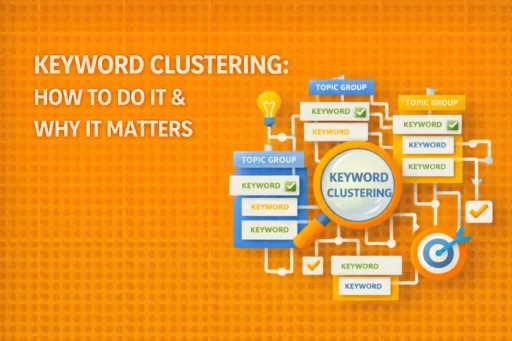
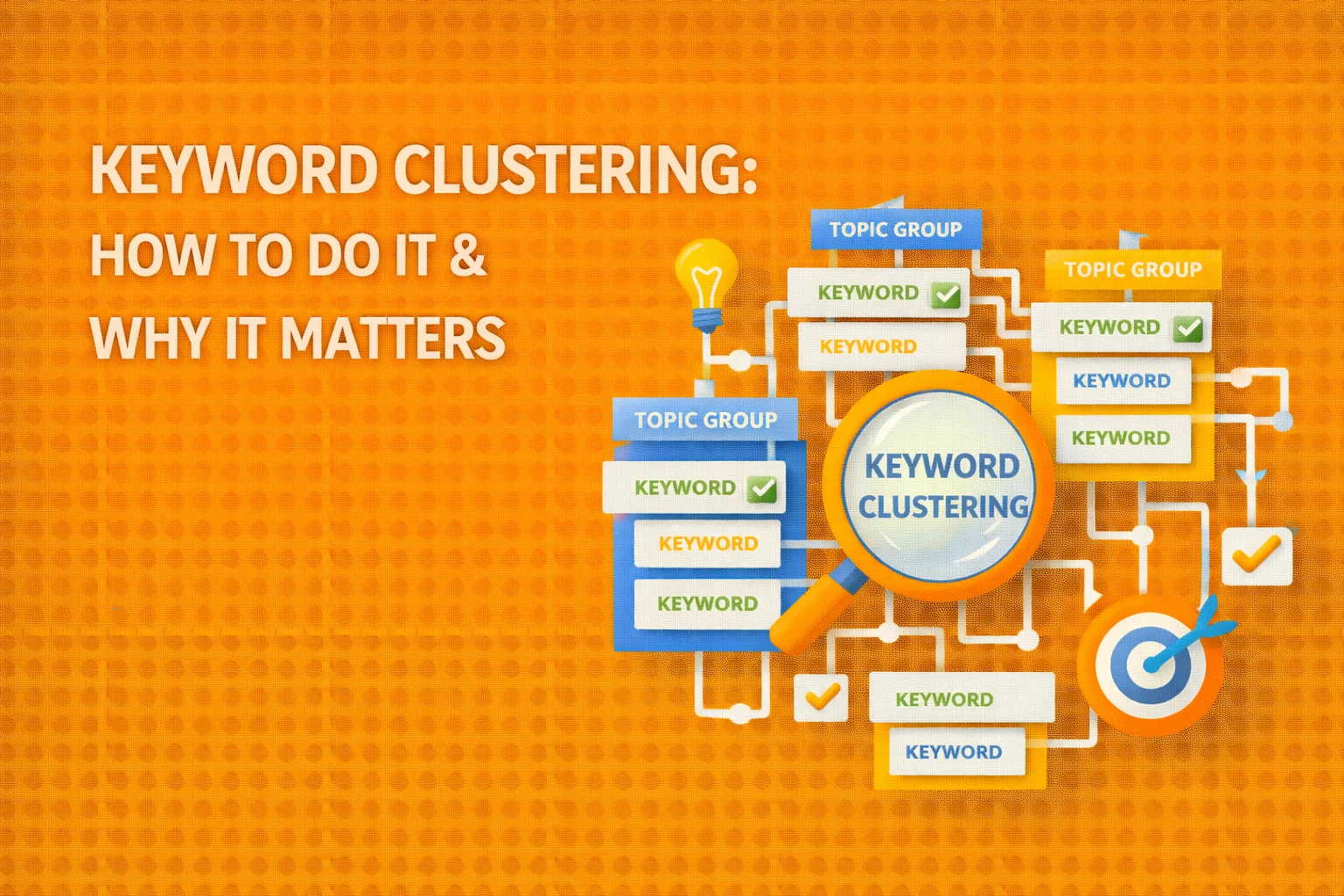
Keyword clustering is the strategic process of grouping related search terms into organized clusters based on their semantic relevance and shared search intent. Instead of targeting individual keywords one page at a time, this approach allows you to optimize a single, comprehensive piece of content that ranks for dozens-even hundreds-of related search queries simultaneously. According to Search Savvy’s latest analysis, websites that implement proper keyword clustering strategies see an average 47% increase in organic traffic within the first six months compared to traditional one-keyword-per-page approaches.
The reason keyword clustering works so powerfully is simple: search engines have evolved beyond matching exact keyword strings. Google’s algorithms now prioritize understanding user intent and rewarding content that comprehensively covers topics. When you create content around keyword clusters, you’re speaking Google’s language-demonstrating topical authority while satisfying multiple search intents with one authoritative resource.
What Is Keyword Clustering and Why Does It Matter?
Keyword clustering represents a fundamental shift in how modern SEO professionals approach content strategy. Rather than viewing keywords as isolated targets, clustering recognizes that searchers often use different phrases to express the same underlying need or question. For example, someone searching for “best running shoes,” “top running sneakers 2025,” and “highest rated running footwear” essentially wants the same information-a comparison or recommendation guide for quality running shoes.
Keyword clustering groups these semantically related terms together so you can create one comprehensive, authoritative page that addresses all these variations simultaneously. The practical result? Your single piece of content can rank for 50, 100, or even 200+ related keywords instead of just one. This multiplies your organic visibility without multiplying your content production costs.
The importance of keyword clustering has intensified dramatically in 2025 as search algorithms continue prioritizing topical relevance over keyword density.Google’s latest core updates have made it clear: thin content targeting single keywords gets buried, while comprehensive content demonstrating expertise across an entire topic cluster climbs to the top of search results.
How Does Keyword Clustering Work in Practice?
Keyword clustering works by identifying patterns in how search engines group and rank similar queries. The process involves analyzing multiple data points-including semantic relationships between terms, shared search intent, and most importantly, which pages actually appear in search results for different keywords. Modern keyword clustering relies primarily on SERP-based analysis because it reflects how Google actually treats keywords in the real world.
The mechanics are straightforward: if the same set of pages rank for multiple different keywords, those keywords likely share the same search intent and should be grouped into a single cluster. Conversely, if two seemingly similar keywords return completely different search results, they belong in separate clusters because Google views them as serving different user needs.
Search Savvy uses a three-layer approach to keyword clustering: first, we identify semantic relationships using natural language processing; second, we analyze search intent to ensure grouped keywords serve the same purpose; and third, we validate clusters through SERP overlap analysis to confirm that Google actually treats these keywords as interchangeable. This combination ensures that your content aligns perfectly with how search engines categorize and rank content.
Why Is Keyword Clustering Important in 2026?
Keyword clustering has become essential in 2026 for several critical reasons that directly impact your bottom line. First, it dramatically improves content efficiency-instead of writing 50 separate articles to target 50 keywords, you might only need 5-10 comprehensive pieces that each target a cluster of related terms. This means you produce less content while achieving better results, freeing up resources for other marketing initiatives.
Second, keyword clustering directly addresses Google’s increasing emphasis on topical authority and E-E-A-T (Experience, Expertise, Authoritativeness, Trustworthiness). When you create comprehensive content covering an entire topic cluster, you signal to search engines that you’re a genuine authority on that subject. Search engines reward this depth with higher rankings and increased visibility across multiple related queries.
Third, clustering prevents keyword cannibalization-the common problem where multiple pages on your website compete against each other for the same search terms. By organizing your content around clear keyword clusters, you ensure each page has a distinct purpose and target audience. According to industry research from 2025, 77% of SEO professionals reported increased traffic and better SERP rankings after incorporating keyword clustering into their strategies.
Fourth, the competitive landscape demands it. Your competitors who use keyword clustering create more comprehensive, useful content that naturally attracts more engagement signals (longer time-on-page, lower bounce rates, more internal linking opportunities). If you’re not clustering keywords, you’re essentially handicapping your content before it even enters the race.
What Are the Different Types of Keyword Clustering Methods?
Understanding the various keyword clustering methodologies helps you choose the right approach for your specific needs and resources. The three primary methods vary significantly in accuracy and effectiveness, and at Search Savvy, we’ve tested them all extensively.
Pattern-based clustering represents the most basic approach, grouping keywords by similar wording or shared root terms. For example, all keywords containing “CRM software” might be grouped together. While this method is quick and easy to implement manually, it’s also the least accurate because similar-looking keywords don’t always share search intent. Pattern-based clustering might score around 40-50 out of 100 on clustering quality metrics.
Semantic or NLP-based clustering uses natural language processing and machine learning to understand the meaning and context behind keywords, grouping them by conceptual similarity rather than just shared words. This approach is more sophisticated and can identify that “running shoes” and “jogging sneakers” are semantically related even though they share no common words. Semantic clustering typically achieves 55-65 out of 100 on quality scoring.
SERP-based clustering analyzes actual search engine results pages to determine which keywords return similar ranking pages. If “best CRM tools,” “top CRM software 2026,” and “CRM platform comparison” all show the same websites in their top 10 results, they belong in the same cluster because Google treats them as serving the same search intent. This method proved most effective in 2026 testing, consistently scoring 70-89 out of 100 on clustering quality-the highest of any approach. SERP-based clustering is the gold standard because it reflects how search engines actually group and rank content, not just theoretical relationships.
How Can You Create Keyword Clusters Step-by-Step?
Creating effective keyword clusters requires a systematic approach that balances thoroughness with efficiency. Here’s the process Search Savvy recommends for achieving optimal results:
Step 1: Conduct Comprehensive Keyword Research Keyword clustering begins with gathering a robust list of potential keywords related to your topic or niche. Use keyword research tools like Semrush, Ahrefs, or Google Keyword Planner to generate hundreds or thousands of keyword ideas. Don’t filter too aggressively at this stage-cast a wide net including both short-tail and long-tail keywords, question-based queries, and variations. Your initial list might contain anywhere from 200 to 10,000+ keywords depending on your industry and goals.
Step 2: Analyze Search Intent for Each Keyword Keyword clustering depends on understanding what users actually want when they search. Classify each keyword by search intent: informational (learning something), navigational (finding a specific page), commercial (researching before purchase), or transactional (ready to buy). Keywords serving different intents cannot be clustered together even if they seem topically similar. For example, “CRM software definition” (informational) should not cluster with “buy CRM software” (transactional).
Step 3: Apply Your Chosen Clustering Method Whether you’re clustering manually or using automated tools, this step groups your keywords into related clusters. For manual clustering, create a spreadsheet and group keywords by topic, then validate by checking if the same pages rank for multiple keywords in each group. For automated clustering, tools like Semrush’s Keyword Strategy Builder or SE Ranking’s Keyword Grouper can process thousands of keywords in minutes using SERP-based algorithms. The automated approach saves considerable time, especially for large keyword lists.
Step 4: Validate Clusters with SERP Analysis For your most important clusters, manually verify that the groupings make sense by searching Google for representative keywords from each cluster. If you see significant overlap in the top-ranking pages (the same articles, domains, or types of content appearing for multiple keywords), your cluster is valid. If one keyword returns completely different results, it likely needs its own cluster or belongs elsewhere.
Step 5: Prioritize Clusters Based on Business Value Not all clusters deserve equal attention. Rank your keyword clusters by factors like total search volume, keyword difficulty, relevance to your business goals, and potential conversion value. Focus your content creation efforts on high-value clusters first-those with good search volume, achievable difficulty scores, and strong alignment with your revenue objectives.
Step 6: Create Comprehensive Content for Each Cluster For each priority cluster, develop in-depth content that addresses all the keywords and search intents within that group. Your primary keyword becomes your title and main topic, while secondary keywords from the cluster inform your subheadings, FAQ sections, and body content. This ensures comprehensive coverage without keyword stuffing.
How Do You Implement Keywords from Clusters in Your Content?
Keyword clustering implementation requires strategic integration rather than mechanical keyword insertion. The goal is to create naturally flowing content that comprehensively covers your topic while signaling relevance to search engines.
Choose one primary keyword from your cluster-typically the one with the highest search volume or closest alignment with your content angle-and feature it prominently in your title tag, H1 heading, URL slug, and opening paragraph. This primary keyword establishes your page’s main topic for both readers and search engines.
Distribute secondary keywords from the cluster throughout your content as subheadings, FAQ questions, and naturally within body paragraphs. For instance, if your cluster includes “affordable CRM software,” “budget-friendly CRM tools,” and “low-cost CRM platforms,” you might create H2 or H3 subheadings addressing each variation while weaving all terms naturally into relevant sections.
Focus on comprehensive topic coverage rather than keyword frequency. Search engines in 2026 prioritize content that thoroughly addresses a subject over content that simply repeats keywords. Use your cluster as a roadmap for content structure-each keyword variant represents a slightly different angle or question your content should answer.
Leverage semantic variations even beyond your keyword list. Once you understand the core topic, include related concepts, synonyms, and contextual terms that naturally belong in the discussion. Google’s algorithms recognize semantic relationships, so comprehensive coverage of a topic naturally incorporates relevant terminology without forced keyword placement.
What Tools Can Help with Keyword Clustering?
The right tools can transform keyword clustering from a time-consuming manual process into an efficient, scalable system. Based on 2025 testing and real-world application, several tools stand out for their effectiveness.
Semrush Keyword Strategy Builder offers powerful SERP-based clustering that can analyze up to 10,000 keywords simultaneously. It automatically groups related terms, identifies search intent, analyzes SERP features, and even structures your findings into pillar pages and subpages. The tool integrates seamlessly with Semrush’s Content Toolkit for streamlined content creation based on your clusters.
SE Ranking Keyword Grouper provides flexible clustering with adjustable granularity levels (strict, medium, loose) that let you control how tightly keywords must be related to group together. This tool is particularly strong for SERP similarity analysis and offers excellent value for businesses seeking comprehensive SEO features at a more accessible price point.
Ahrefs Keyword Explorer includes clustering capabilities within its broader keyword research suite. While not exclusively a clustering tool, Ahrefs excels at identifying keyword relationships and provides robust data on search volume, difficulty, and ranking potential that helps prioritize which clusters deserve attention.
Free alternatives exist for those with limited budgets. Tools like RyRob’s AI-powered keyword cluster tool and Cluster AI offer basic clustering functionality without cost, though they typically handle smaller keyword lists (often up to 200 keywords) and may lack the sophisticated SERP analysis of paid platforms.
When choosing a clustering tool, prioritize those offering SERP-based analysis over purely semantic approaches. The 2025 tool tests consistently showed SERP-based clustering delivering 70-89 out of 100 quality scores compared to 55-65 for semantic methods-a significant difference in real-world accuracy and SEO impact.
What Common Mistakes Should You Avoid in Keyword Clustering?
Keyword clustering offers tremendous SEO benefits, but several common pitfalls can undermine your results if you’re not careful to avoid them.
Mixing different search intents within a single cluster represents the most damaging mistake. Just because keywords are topically related doesn’t mean they belong together. For example, “how to choose CRM software” (informational) and “CRM software discounts” (transactional) target users at completely different stages of the buyer journey. Clustering them together creates content that satisfies neither search intent effectively.
Over-relying on automated clustering without manual verification can produce technically correct but strategically wrong groupings. Tools might cluster keywords that share SERP overlap but actually require different content angles or depth levels. Always validate your most important clusters manually by reviewing actual search results and considering your specific business context.
Creating clusters that are too broad or too narrow both cause problems. Overly broad clusters (like grouping all “digital marketing” keywords together) result in unfocused content trying to be everything to everyone. Overly narrow clusters (separating “CRM software” and “CRM system”) create unnecessary content duplication and potential cannibalization. Finding the right granularity takes practice and ongoing refinement.
Ignoring keyword difficulty and competition when prioritizing clusters leads to wasted effort targeting impossible-to-rank terms. A cluster might have fantastic search volume, but if every keyword in it has 90+ difficulty scores and the top results are all established industry giants, you’ll likely need to build significant authority before tackling that cluster.
Forgetting to update clusters over time as search trends and user behavior evolve means your strategy becomes outdated. Search intent shifts, new keywords emerge, and competition changes. Review and refresh your keyword clusters quarterly to ensure they still reflect current search behavior and opportunities.
How Does Keyword Clustering Improve SEO Performance?
Keyword clustering delivers measurable SEO improvements across multiple performance metrics, making it one of the highest-impact strategies available to modern marketers.
Ranking improvements occur because clustered content comprehensively addresses topics, signaling topical authority to search engines. Instead of ranking position 8-10 for one keyword, well-clustered content often reaches positions 1-5 for multiple keywords simultaneously. The cumulative effect dramatically increases visibility-one well-optimized page can generate traffic equivalent to five or ten single-keyword pages.
Content efficiency gains mean you produce less content while achieving better results. Rather than writing 50 separate 800-word articles, you might create 10 comprehensive 2,000-word pieces that each target a keyword cluster. This reduces content creation costs by up to 60% while actually improving performance because each piece has more authority and depth.
Internal linking opportunities multiply when your content is organized around topic clusters. Related cluster pages naturally link to each other, creating strong topical silos that distribute PageRank effectively and help search engines understand your site architecture. This interconnected structure is exactly what Google’s algorithms reward in 2025.
User experience improvements happen because visitors find comprehensive answers in one place rather than bouncing between multiple incomplete pages. This increases time-on-page, reduces bounce rates, and generates more engagement signals-all of which contribute to improved rankings. The virtuous cycle continues as better user metrics further boost SEO performance.
Competitive advantages compound over time. Once you’ve invested in creating comprehensive clustered content, competitors face higher barriers to entry-they can’t simply outrank you with thin content targeting individual keywords. Your topical authority becomes a sustainable competitive moat.
Frequently Asked Questions About Keyword Clustering
What is keyword clustering in simple terms?
Keyword clustering is grouping related search terms together so you can target multiple keywords with a single piece of comprehensive content instead of creating separate pages for each keyword. This approach aligns with how search engines understand topics and rewards you with rankings across many related searches.
How many keywords should be in one cluster?
There’s no fixed number, but effective clusters typically contain 10-50 related keywords. The key factor is shared search intent-keywords should represent variations of the same underlying query. Some broad topic clusters might include 100+ keywords, while narrow clusters might have only 5-10, depending on SERP similarity and intent alignment.
Do I need expensive tools to do keyword clustering?
No, keyword clustering can be done manually using free tools like Google Sheets, Google Search, and Google Keyword Planner. However, paid tools dramatically speed up the process and improve accuracy, especially for large keyword lists. Free clustering tools exist that handle up to 200 keywords, which suffices for small projects.
How is keyword clustering different from keyword research?
Keyword research identifies which terms people search for, while keyword clustering organizes those terms into strategic groups based on shared intent and topic relevance. Research finds the keywords; clustering determines how to target them efficiently. Both processes are essential and complementary parts of a complete SEO strategy.
Can keyword clustering help with content cannibalization?
Yes, keyword clustering is one of the most effective solutions for content cannibalization. By clearly defining which keyword groups belong together and which deserve separate content, clustering ensures each page on your site has a distinct purpose and doesn’t compete with your other pages for the same rankings.
How often should I update my keyword clusters?
Review and refresh your keyword clusters quarterly or whenever you notice significant ranking changes. Search trends evolve, new keywords emerge, and user intent shifts over time. Regular cluster updates ensure your content strategy remains aligned with current search behavior and competitive landscape, maintaining optimal SEO performance.