

The digital landscape has transformed dramatically in 2025, and content optimization has become more crucial than ever for businesses seeking online visibility. With only 40.3% of U.S. Google searches resulting in clicks to organic results in March 2025, the rules of the game have fundamentally changed. At Search Savvy, we’ve witnessed firsthand how brands that master content optimization are not only surviving this shift but thriving in it.
Content optimization is no longer just about pleasing traditional search engines-it’s about being visible across AI Overviews, answer engines like ChatGPT and Perplexity, and voice search platforms. AI Overviews now appear in approximately 15% of all search results, with that number growing rapidly. Search Savvy has developed a proven framework that helps businesses adapt to these changes while maintaining their competitive edge.
The stakes are higher than ever. 47% of consumers say they would explore AI tools as soon as they launch, meaning your content must be optimized for multiple discovery channels simultaneously. This comprehensive guide will walk you through 15 powerful tactics that Search Savvy uses to help clients maximize their visibility in both traditional search engines and emerging AI platforms.
How Does Content Optimization Work in 2025?
Content optimization in 2025 represents a fundamental shift from keyword-centric strategies to intent-driven, AI-friendly content creation. Only 5.4% of Google AI Overviews contained an exact query match in one large-scale study, proving that search engines now prioritize understanding context and user intent over exact phrase matching.
The process involves analyzing how users search, what questions they ask, and how AI systems interpret and present information. Search engines now determine rankings based on how users interact with content, not just what it contains. This means your content must be structured to answer questions directly, provide genuine value, and demonstrate expertise that both algorithms and humans can recognize.
At its core, modern content optimization requires creating comprehensive resources that address user needs while incorporating technical elements like schema markup, natural language patterns, and conversational query structures. The goal is to become the authoritative source that AI systems cite when generating responses.
Why Is Content Optimization Important in 2025?
Content optimization has become essential for survival in today’s AI-dominated search landscape. AI Overviews are reducing website clicks by over 30%, even as visibility increases-a phenomenon experts call “The Great Decoupling.” This means brands must work harder to earn clicks that actually matter.
The importance extends beyond traffic metrics. 85% of marketers now use AI tools for content creation, creating an unprecedented level of competition. Content optimization helps your material stand out in this saturated environment by demonstrating genuine expertise, originality, and value that AI-generated content alone cannot replicate.
According to Search Savvy’s insights, businesses that implement comprehensive content optimization strategies see significant improvements in qualified traffic, user engagement, and conversion rates. While overall traffic may fluctuate, optimized content attracts users who are genuinely interested in your offerings and ready to take action.
1. Optimize for Answer Engine Optimization (AEO)
Content optimization begins with understanding that search has evolved beyond Google. ChatGPT is estimated to garner 1% of the search market in 2025, while Perplexity has amassed over 15 million users. These platforms require a new optimization approach called Answer Engine Optimization.
AEO focuses on creating content that AI systems can easily parse, understand, and cite in their generated responses. This means structuring information with clear headings, providing concise answers to specific questions, and including authoritative sources that back up your claims. Your content should directly address user queries without requiring them to dig through paragraphs to find answers.
Search Savvy recommends creating content that follows the “answer-first” format: lead with the direct answer, then provide supporting details, examples, and deeper context. This structure works for both traditional search engines and AI answer platforms, maximizing your visibility across all channels.
2. Implement Structured Data and Schema Markup
Content optimization requires technical foundations that help search engines understand your content. Structured data used to be just a bonus optimization, but now it’s essential for good SEO. Schema markup provides search engines with explicit signals about what your content contains and how it relates to user queries.
Implementing schema markup for products, articles, FAQs, how-tos, and local businesses significantly increases your chances of appearing in rich results and AI Overviews. Schema markup is one of the elements used for generating AI Overviews, making it a critical component of modern content optimization.
Use tools like Screaming Frog to audit your existing schema implementation and identify gaps. For product pages, include pricing, availability, and review schema. For articles, implement author, publication date, and article body schema to establish credibility and improve your content’s discoverability.
3. Create E-E-A-T-Focused Content
Content optimization demands demonstrable expertise, experience, authoritativeness, and trustworthiness (E-E-A-T). E-E-A-T guidelines are critical to being listed in AI Overviews and can increase the web traffic a website receives. This principle has become the cornerstone of successful content in 2025.
To optimize for E-E-A-T, ensure every piece of content clearly identifies qualified authors, cites credible sources, and demonstrates real-world experience with the topic. Include author bios with credentials, link to authoritative external resources, and showcase original research or case studies that prove your expertise.
Search Savvy emphasizes the importance of building your brand’s entity authority across multiple platforms. This means maintaining consistent information on your website, social media profiles, business directories, and industry publications. The more coherent your digital presence, the more likely AI systems will trust and cite your content.
4. Target Long-Tail Conversational Keywords
Content optimization in 2025 requires shifting from broad keywords to long-tail, conversational phrases. Keywords that trigger AI Overviews tend to be slightly longer in word count, and more likely to include clarifications, comparisons, or definitions. These reflect how people actually search when using voice assistants or AI chat platforms.
Instead of targeting “content marketing,” optimize for phrases like “how to create a content marketing strategy for B2B SaaS companies” or “what’s the difference between content marketing and traditional advertising in 2025.” These longer queries demonstrate specific intent and attract users who are further along in their decision-making journey.
Use tools like Semrush’s Keyword Magic Tool or Ahrefs’ Keywords Explorer to discover question-based keywords with reasonable search volume and lower competition. Create dedicated content pieces that comprehensively answer these specific queries.
5. Optimize for Voice and Mobile Search
Content optimization must account for the growing dominance of voice search and mobile devices. Voice search optimization requires recording how customers actually ask questions and using those exact phrases in content. This natural language approach aligns perfectly with how AI systems process queries.
Ensure your content uses conversational language and answers questions the way a human expert would respond verbally. Include phrases like “near me,” natural directions, and colloquial terms that people use when speaking rather than typing. For local businesses, optimize your Google Business Profile with conversational service descriptions.
Mobile optimization extends beyond responsive design. Readable font sizes without horizontal scrolling and fast loading times on mobile networks are important. Compress images, implement lazy loading, and prioritize mobile page speed to ensure users can access your optimized content quickly, regardless of their connection quality.
6. Focus on Search Intent Over Keyword Density
Content optimization has evolved from keyword stuffing to intent matching. Successful SEO means optimizing not just for keywords, but for the underlying intent behind those keywords. Understanding whether users want information, comparison, navigation, or transactional content determines how you structure your material.
For informational queries, provide comprehensive guides and educational resources. For commercial investigation queries, include comparisons, reviews, and detailed feature breakdowns. For transactional queries, optimize product pages with clear calls-to-action, pricing, and purchasing information.
At Search Savvy, we recommend creating “intent-rich” content that addresses multiple potential user needs within a single comprehensive resource. For example, a guide about “fixing leaky faucets” should include DIY instructions, product recommendations, troubleshooting tips, and information about when to call a professional plumber.
7. Build Comprehensive Content Clusters
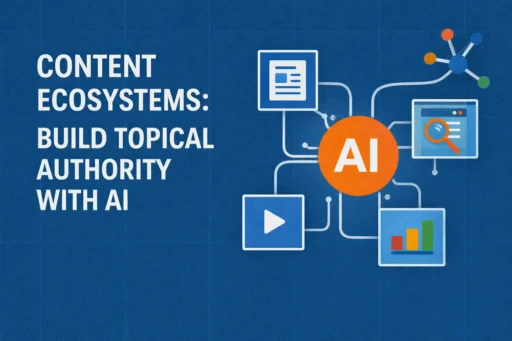
Content optimization requires strategic organization through topic clusters and pillar pages. This approach involves creating a comprehensive “pillar” page covering a broad topic, then developing multiple related “cluster” pages that explore specific subtopics in depth, all interlinked to create a cohesive information architecture.
Establishing authority through comprehensive content clusters positions your brand as a reliable information source, strengthening SEO and overall marketing impact. This structure helps both search engines and users understand the breadth and depth of your expertise on a subject.
Implement internal linking strategies that connect related content pieces, using descriptive anchor text that clarifies the relationship between pages. This not only improves user navigation but also helps AI systems understand the context and connections within your content ecosystem.
8. Optimize for Zero-Click Searches
Content optimization must embrace the reality of zero-click searches. Zero-click searches allow searchers to get answers without clicking a single link, but appearing in these features still provides valuable brand visibility and establishes authority.
Best practices for zero-click searches include creating concise content with direct question-answer format and implementing speakable structured data. While users may not click through, appearing consistently in AI Overviews and featured snippets builds brand recognition and positions you as an industry authority.
Create FAQ sections, definition paragraphs, and bulleted lists that AI systems can easily extract and present. Even if traffic decreases initially, the quality of clicks you do receive typically improves, as these users are seeking deeper information beyond the surface-level answer.
9. Leverage Video Content Integration
Content optimization extends beyond text to include multimedia elements. In 2025, video content isn’t just important for SEO-it’s absolutely essential. Google increasingly displays video results, and platforms like YouTube have become powerful search engines themselves.
YouTube’s organic traffic increased by 27.7 million visits in January 2024, and the platform now has 52.8 million first-page keywords. This represents a clear shift in Google’s priorities toward video content that provides value to users.
Create video summaries of your written content, tutorial videos, and expert commentary that complements your text-based resources. Optimize video titles, descriptions, and transcripts with relevant keywords, and embed videos within your articles to create richer, more engaging content experiences.
10. Optimize Content Readability and Structure
Content optimization requires prioritizing user experience through improved readability. Use short paragraphs (2-3 sentences), clear subheadings, bullet points, and white space to make content scannable. Most users don’t read word-for-word; they scan for relevant information.
Write at a conversational reading level (typically 8th-10th grade) to ensure accessibility for a broad audience. Use tools like Hemingway Editor to assess and improve readability. Clear, concise writing benefits both human readers and AI systems attempting to parse and understand your content.
Include transitional phrases between sections, use active voice, and eliminate jargon unless you’re writing for a highly technical audience. The easier your content is to understand, the more likely AI systems will confidently cite it and users will engage with it.
11. Add “People Also Ask” Content
Content optimization benefits significantly from addressing common related questions. Using Google’s ‘People Also Ask’ helps you learn more about user questions and the keywords they’ll use to answer them. These insights reveal what information gaps exist around your topic.
Research PAA boxes for your target keywords and create dedicated sections answering these questions within your content. This approach increases topical relevance, provides additional keyword opportunities, and creates more entry points for your content to appear in search results.
Structure these answers as standalone paragraphs with H3 headings that pose the question directly. This format makes it easy for AI systems to extract and present your answer, increasing your chances of appearing in AI Overviews and featured snippets.
12. Build Brand Authority Across Multiple Platforms
Content optimization requires establishing credibility beyond your website. Digital PR and brand visibility are now essential LLM inputs, and the same tactics that earn coverage, backlinks, and social engagement also improve your odds in AI summaries. Your content must be supported by a strong overall brand presence.
Links from forums and social media sites are valuable mentions that can be more powerful from a conversion and brand awareness perspective. Engage authentically in platforms like Reddit, Quora, and industry-specific forums where your target audience congregates.
At Search Savvy, we emphasize building “entity authority” by ensuring your brand is consistently mentioned and linked across the web. This includes securing press coverage, guest posting on authoritative sites, earning quality backlinks, and maintaining active, valuable social media presences.
13. Implement AI-Assisted Content Optimization
Content optimization can be enhanced through strategic AI tool usage. About 51% of marketers use AI tools to optimize their content for search engines. However, success requires combining AI efficiency with human expertise and creativity.
Use AI tools like Surfer SEO for analyzing ranking factors, Semrush’s Content Marketing Platform for identifying content gaps, and ChatGPT for brainstorming topics and outlines. But always infuse final content with human insights, personal experiences, and unique perspectives that AI cannot replicate.
AI can create basic overviews and assist with research, but writers are necessary to optimize content for SEO and add the human touch that Google demands in 2025. The winning formula combines AI’s speed and data analysis with human creativity and expertise.
14. Monitor and Optimize Core Web Vitals
Content optimization includes technical performance factors. Search engines are increasingly prioritizing websites that deliver a seamless user experience, with Core Web Vitals measuring factors like page speed and responsiveness. These metrics directly impact how search engines evaluate and rank your content.
Use Google PageSpeed Insights and Google Search Console to monitor your Core Web Vitals scores. Focus on Largest Contentful Paint (LCP), First Input Delay (FID), and Cumulative Layout Shift (CLS). Compress images, minimize JavaScript, leverage browser caching, and use content delivery networks (CDNs) to improve performance.
Fast-loading, stable pages keep users engaged longer, reducing bounce rates and signaling to search engines that your content provides value. This technical foundation supports all other content optimization efforts.
15. Create Original, Research-Backed Content
Content optimization ultimately depends on quality and originality. Creating huge volumes of AI-generated content will not improve digital visibility in 2025 and beyond. Instead, focus on producing fewer, higher-quality pieces that showcase genuine expertise and unique insights.
Conduct original research, surveys, or case studies that generate fresh data and perspectives. Originality through first-party research and insights improves your odds in AI summaries and SERP overviews. This type of content naturally attracts backlinks, social shares, and citations from other sources.
Include data visualizations, expert quotes, and real-world examples that demonstrate your expertise. Back up claims with credible sources and maintain accuracy. AI systems increasingly favor content that displays documented expertise and cited sources, making authoritative, well-researched content more valuable than ever.
Frequently Asked Questions About Content Optimization
What is the difference between SEO and content optimization?
Content optimization is a specific component of SEO that focuses on improving the quality, relevance, and structure of your content to better serve users and search engines. While SEO encompasses technical elements, link building, and site structure, content optimization specifically addresses how information is created, formatted, and presented. In 2025, content optimization has expanded to include AI visibility alongside traditional search engine rankings.
How often should I update my content for optimization?
Content optimization is an ongoing process, not a one-time task. Review your most important content quarterly to ensure accuracy, update statistics with current data, and refresh information to reflect the latest trends and developments. Going over older content and editing it to improve readability and relevance is a best practice for maintaining visibility in both traditional search and AI Overviews.
Can AI-generated content rank well in 2025?
Google’s position is clear: AI-generated content faces no inherent penalties-quality and usefulness lead the way. However, purely AI-generated content typically lacks the depth, originality, and expertise required to rank consistently. The most successful approach combines AI assistance for efficiency with human expertise, editing, and unique insights that demonstrate real-world experience.
How do I optimize content for both Google and ChatGPT?
Content optimization for multiple platforms requires focusing on universal quality signals: demonstrable expertise, comprehensive answers, clear structure, cited sources, and conversational language. Create content that directly answers specific questions, uses natural language patterns, implements proper schema markup, and demonstrates authority through original research and expert authorship. These principles work across traditional search engines and AI answer platforms.
What metrics should I track for content optimization success?
Success demands shifting focus from traffic metrics to conversion quality, prioritizing conversion optimization over traditional traffic metrics. Track qualified traffic, engagement metrics (time on page, pages per session), conversion rates, brand mentions across platforms, citations in AI Overviews, and featured snippet appearances. These metrics better reflect content quality and business impact than raw traffic numbers.
Is traditional SEO dead with the rise of AI search?
Traditional SEO and GEO (Generative Engine Optimization) are complementary, not competing strategies. While search behavior is evolving, Google processes over 14 billion searches daily as of 2025, a 22% increase from 2024. Content optimization for traditional search remains essential while expanding to include AI visibility. Brands that excel at both will capture the most opportunities in the evolving search landscape.
Conclusion: The Future of Content Optimization
Content optimization has transformed from a keyword-focused technical exercise into a comprehensive strategy for establishing authority across multiple discovery channels. As we move further into 2025, the brands that succeed will be those that embrace this evolution rather than resist it.
At Search Savvy, we believe the current changes represent an opportunity rather than a crisis. The #1 organic result on Google now enjoys a 39.8% CTR, up from 39.6% last year, and when an AI Overview is present, the links within those summaries pull CTRs that rival the top 3-5 organic results. This means quality content is being rewarded more than ever.
The 15 tactics outlined in this guide provide a comprehensive framework for content optimization that works across traditional search engines, AI answer platforms, and voice search devices. Success requires commitment to quality, authenticity, and user value above all else.
Remember that content optimization is iterative. Continuously test, measure, and refine your approach based on performance data. Stay informed about algorithm updates and industry trends, but never lose sight of your primary goal: creating genuinely helpful content that serves your audience’s needs.
The future belongs to brands that prioritize expertise, experience, authority, and trustworthiness-the very principles that Search Savvy has built its reputation on. By implementing these content optimization strategies, you’ll position your brand for sustained visibility and growth regardless of how search technology continues to evolve.
Ready to transform your content strategy? Start with these 15 tactics, measure your results, and iterate based on what works best for your specific audience and industry. The search landscape may be changing, but the fundamental principle remains constant: great content that genuinely helps people will always find its audience.