

Content chunking has become one of the most talked-about topics in digital marketing circles, with experts claiming it’s the secret to ranking in AI-powered search results. But what exactly is content chunking, and more importantly, should you actually care about it for your website in 2026? At Search Savvy, we’ve been tracking this trend closely, analyzing the latest data and Google’s official guidance to separate fact from fiction. The answer might surprise you-it’s not quite what the marketing gurus have been selling.
Content chunking refers to the practice of breaking down information into smaller, digestible sections that are easier for both readers and search engines to process. Think of it as organizing your content into bite-sized pieces rather than serving up an overwhelming wall of text. Each “chunk” focuses on a single idea or concept, typically separated by clear headings, subheadings, white space, or visual elements.
At its core, content chunking isn’t a new concept at all. Writers and editors have been structuring content this way for decades-it’s simply good writing practice. The technique is rooted in cognitive psychology, specifically George Miller’s famous 1956 research showing that human working memory can only process about seven pieces of information at once (give or take two). When content exceeds this threshold without proper structure, comprehension can drop significantly.
In the digital marketing world, content chunking has taken on new meaning in 2026. Many SEO professionals now use the term to describe a specific formatting approach supposedly designed to appeal to AI systems and large language models (LLMs). This version of chunking typically involves creating ultra-short sections with question-based subheadings, brief paragraphs, and content structured specifically for machine readability rather than human enjoyment.
How Does Content Chunking Work for SEO?
Content chunking impacts search engine optimization by making your content more scannable and accessible. When implemented correctly, chunking helps both human readers and search engine crawlers navigate your content more efficiently. Search engines can better understand your content’s structure and topic coverage when you organize information into logical, hierarchical sections.
According to Search Savvy’s analysis of current SEO data, properly structured content performs better across several key metrics. Well-chunked content tends to reduce bounce rates because visitors can quickly scan headings to find the specific information they need. This improved user experience signals to search engines that your content is valuable and relevant, which can positively impact rankings.
Content chunking also increases your chances of appearing in featured snippets and AI overviews. Research from 2025 shows that approximately 50% of voice search results come from featured snippets, and these snippets heavily favor concise, well-structured answers. When your content is organized into clear sections that directly answer specific questions, you create multiple opportunities for search engines to extract and display your content in these prominent positions.
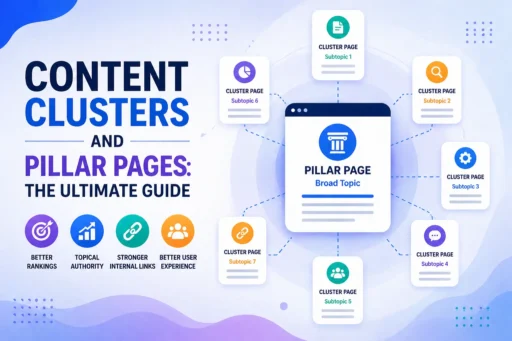
The three-level hierarchy of content chunking includes macro chunks (H2 sections covering major subtopics), micro chunks (H3 subsections addressing specific tactics or concepts), and atomic chunks (individual sentences or short paragraphs delivering key information). This structure helps AI systems understand topical coverage and determine whether your content comprehensively addresses user queries.
Why Is Google Warning Against Content Chunking in 2026?
Content chunking received a major reality check in January 2026 when Google’s Danny Sullivan explicitly warned against breaking content into “bite-sized chunks” specifically to appeal to LLMs. On the Search Off the Record podcast, Sullivan stated clearly: “We don’t want you to do that. I was talking to some engineers about that. We don’t want you to do that.”
This guidance addresses a growing trend where content creators were fragmenting articles into ultra-short sections under the belief that AI systems prefer extremely condensed content. Sullivan emphasized that Google’s algorithms prioritize human-focused content over machine-optimized formatting. The company’s engineering team doesn’t want publishers creating separate versions of content for AI versus human readers-they want naturally written, helpful content that serves actual people.
Google’s warning doesn’t mean all content structure is bad. According to Search Savvy’s interpretation of Google’s guidance, the issue isn’t with logical organization and clear headings-it’s with the extreme, artificial fragmentation done solely to game AI systems. Sullivan acknowledged that some publishers might see short-term ranking gains from chunking tactics, but cautioned that “tomorrow the systems may change” and these optimization tricks could become worthless.
John Mueller, Google’s Search Advocate, reinforced this message by noting that practitioners with extensive SEO experience understand the importance of foundational goals over tactical adjustments. The broader lesson is clear: sustainable SEO strategies focus on user experience rather than algorithmic manipulation. Content that genuinely serves readers will outlast temporary ranking tricks.
What Are the Real Benefits of Content Chunking for Users?
Content chunking delivers genuine value when done for the right reasons-improving user experience rather than gaming algorithms. At Search Savvy, we recognize that the cognitive science behind chunking is solid, even if the AI optimization hype has been overblown.
Proper content chunking reduces cognitive load, making information easier to absorb and remember. When readers encounter a wall of undifferentiated text, their brains work overtime just to figure out where one idea ends and another begins. Breaking content into manageable sections with clear visual hierarchy helps readers process information without feeling overwhelmed, which is particularly important for mobile users who make up a significant portion of today’s audience.
Chunked content significantly improves scannability, which aligns with how most people actually consume online content. Research shows that users scan rather than read most web content, and chunked formatting provides the clarity and structure that keeps them engaged. When readers can easily scan headings, digest bite-sized paragraphs, and jump between relevant sections using anchor links or a table of contents, their time on page increases and they’re more likely to find the specific information they need.
Content chunking also enhances accessibility for diverse audiences. For users with ADHD, dyslexia, or other cognitive differences, large blocks of text can be overwhelming or even inaccessible. Chunking content into smaller, well-labeled sections gives these users the ability to process information at their own pace, reducing fatigue and frustration. When paired with semantic HTML and accessibility best practices, chunking ensures content is easy to consume in both visual and non-visual formats.
The improved navigation that comes with thoughtful chunking creates a seamless browsing experience. Features like clickable headings, anchor links, and clear visual hierarchies allow readers to jump directly to sections they’re interested in, saving time and improving satisfaction. This ease of navigation is especially valuable for comprehensive guides, long-form articles, and technical documentation where users often search for specific information rather than reading sequentially.
Should You Optimize Content for Voice Search and AI in 2026?
Voice search optimization represents a genuine opportunity that businesses can’t afford to ignore in 2026. With over 8.4 billion voice-enabled devices in use globally-more than the world’s population-and approximately 153.5 million Americans actively using voice assistants, the numbers speak for themselves. However, optimization for voice search doesn’t require creating artificially chunked content.
Voice search queries differ fundamentally from typed searches. While typed queries average two to three words (“voice search optimization”), voice queries typically span four to seven words in complete question format (“How do I optimize my website for voice search in 2026?”). This distinction changes everything about keyword research and content structure, but it doesn’t mean you need to break content into unnaturally small chunks.
According to Search Savvy’s research, successful voice search optimization focuses on answering questions naturally and comprehensively. Approximately 58% of consumers use voice search to find local business information like hours, directions, and phone numbers. More than 80% of voice search answers on Google Assistant come from the top three search results, making traditional SEO fundamentals more important than ever.
The key strategies for voice optimization align with what Google has been recommending all along: create helpful, natural content that directly answers user questions. Use conversational language that mirrors how people actually speak. Structure content with clear, descriptive headings that could answer common questions. Include FAQ sections that address specific queries concisely. Optimize for local search if relevant to your business. These practices improve both traditional and voice search performance without requiring artificial content fragmentation.
How Should You Structure Content for Both Humans and AI?
Content chunking done right strikes a balance between readability and discoverability. At Search Savvy, we recommend an approach that prioritizes human readers while naturally incorporating elements that help AI systems understand and extract your content.
Start with clear, descriptive headings that use question-based formats when appropriate. Instead of generic labels like “Overview” or “Next Steps,” use specific headings that clearly state what information follows, such as “Why Does Page Speed Matter for SEO?” or “How Can Small Businesses Improve Local Rankings?” These headings serve both human scanners and AI systems trying to match content with user queries.
Keep paragraphs concise but substantive-aim for three to five sentences that fully develop a single idea. This differs from the ultra-short, single-sentence paragraphs that constitute artificial chunking. Each paragraph should provide enough context and information to stand on its own if extracted by an AI system, while still contributing to your overall narrative flow.
Use natural transitions between sections to maintain readability and help readers understand how ideas connect. While AI systems can extract individual chunks, human readers benefit from content that flows logically from one topic to the next. Transition sentences and connecting phrases ensure your content doesn’t feel like a disconnected list of facts.
Incorporate visual elements strategically to break up text without sacrificing substance. Bullet points work well for listing features, steps, or options, but shouldn’t replace meaningful prose. Use them when listing genuinely enhances clarity, not simply to create more white space. Tables, images with descriptive alt text, and other visual elements can improve both user experience and AI understanding when used thoughtfully.
Focus on comprehensive coverage rather than superficial brevity. A 2025 study by SEO expert Chris Green found that while Q&A formatted content performed well in AI retrieval, structured long-form content didn’t perform badly. The key takeaway: content quality and depth matter more than formatting tricks. Don’t sacrifice thoroughness and helpfulness just to make content “chunkable.”
What Content Formatting Best Practices Actually Work?
Content chunking delivers results when integrated into a broader strategy focused on quality and user value. Search Savvy has identified several formatting best practices that improve both human experience and search performance without crossing into artificial optimization territory.
Use HTML heading tags (H1, H2, H3) to create a logical hierarchy that helps both readers and search engines understand your content structure. Your H1 should clearly state the main topic, H2s should address major subtopics or questions, and H3s should break down complex concepts within those sections. This semantic structure helps AI systems identify which parts answer specific queries without requiring artificial fragmentation.
Optimize your content for featured snippets by providing direct, concise answers to common questions within the first few sentences of relevant sections. A well-crafted answer of 40 to 60 words often performs well for featured snippets. However, don’t stop there-expand with additional context, examples, and details that provide real value. The goal is to win the snippet while also satisfying readers who click through for more information.
Implement schema markup to help search engines understand your content’s context and structure. FAQ schema, How-To schema, and Article schema can all improve how your content appears in search results and voice assistants. This structured data provides explicit signals about your content’s organization without requiring changes to your writing style.
Ensure fast page load times, as pages that rank for voice search load 52% faster than average. Optimize images, enable browser caching, and minimize code to improve performance. Technical SEO fundamentals remain crucial for both traditional and AI-driven search visibility.
Create mobile-friendly, responsive designs that work seamlessly across devices. With 27% of people using voice search on smartphones and mobile devices, your content must be easily readable on smaller screens. Short paragraphs and clear headings become even more important in mobile contexts where screen real estate is limited.
FAQs About Content Chunking
Is content chunking still relevant for SEO in 2026?
Content chunking remains relevant, but not in the extreme, AI-focused way many marketers have been promoting. Organizing content into logical, scannable sections with clear headings improves user experience and helps search engines understand your content-both of which positively impact SEO. However, artificially fragmenting content into ultra-short chunks specifically to appeal to AI systems is discouraged by Google and unlikely to provide sustainable ranking benefits.
What’s the difference between good content structure and artificial chunking?
Good content structure uses headings, paragraphs, and formatting to make information clearer and easier to navigate for human readers. Artificial chunking involves breaking content into unnaturally small sections-sometimes single sentences-specifically designed to game AI algorithms rather than serve users. The former improves user experience and naturally benefits SEO; the latter prioritizes algorithmic manipulation over reader value.
How long should content chunks be for optimal readability?
There’s no magic formula, but aim for macro chunks (H2 sections) of 300 to 800 words covering major subtopics, micro chunks (H3 subsections) of 100 to 200 words addressing specific concepts, and paragraphs of three to five sentences developing single ideas. Most importantly, let the content dictate the structure-some topics require more depth than others. Prioritize completeness and clarity over hitting arbitrary word counts.
Does content chunking actually improve voice search rankings?
Content chunking doesn’t directly improve voice search rankings, but the principles behind good chunking align with voice search best practices. Clear, question-based headings make it easier for voice assistants to identify relevant answers. Concise, direct responses to common questions increase your chances of being selected for voice results. However, comprehensive, authoritative content matters more than formatting tricks-voice assistants typically pull answers from top-ranking pages that earned their position through quality content and strong SEO fundamentals.
Should I restructure my existing content into smaller chunks?
Only if your current content genuinely suffers from poor organization and readability. Don’t restructure content solely to appeal to AI systems. Instead, evaluate whether your existing content serves readers well. If visitors struggle to scan and find information, adding clearer headings and breaking up lengthy paragraphs makes sense. If your content is already well-structured and comprehensive, focus on other SEO priorities like improving page speed, building quality backlinks, or creating new valuable content.
What tools can help with content chunking and structure?
Most modern SEO tools include features for analyzing content structure. Tools like Semrush’s Writing Assistant evaluate readability and heading usage. All-in-one SEO plugins for WordPress automatically generate proper HTML heading hierarchy. Google Search Console and analytics platforms help you understand which content performs well and where users engage or drop off, providing data to guide structural improvements. However, the best “tool” is understanding your audience and writing naturally to address their needs.