

Digital marketing has become the cornerstone of business growth in 2026, transforming how brands connect with customers, build relationships, and drive revenue. Yet despite its ubiquity, many business owners and marketers still struggle to define exactly what digital marketing encompasses and how to leverage it effectively.
At Search Savvy, we’ve witnessed this evolution firsthand-watching digital marketing shift from simple banner ads and email campaigns to sophisticated, AI-powered ecosystems that span dozens of channels. The landscape has fundamentally changed. Global digital advertising spend is projected to hit $1 trillion in 2026, up from $740 billion just three years ago. This explosive growth isn’t happening because businesses have more money to spend-it’s happening because digital marketing delivers measurable, scalable results that traditional marketing can’t match.
Digital marketing represents more than just “marketing on the internet.” It’s an interconnected system of strategies, channels, and technologies that work together to attract, engage, and convert your ideal customers. According to Search Savvy’s insights, businesses that understand this holistic approach consistently outperform competitors who treat digital marketing as isolated tactics.
This comprehensive guide breaks down everything you need to know about digital marketing in 2026-from foundational definitions to advanced strategy frameworks. Whether you’re launching your first website or optimizing enterprise-level campaigns, these insights will help you build marketing systems that drive real business growth.
What Is Digital Marketing?
Digital marketing is the practice of promoting businesses, products, or services using online channels, electronic devices, and digital technologies to connect with potential customers where they spend their time. Rather than relying on traditional channels like print ads, billboards, or direct mail, digital marketing leverages the internet, mobile devices, social media platforms, search engines, and other digital touchpoints to reach audiences.
The definition has expanded significantly beyond its origins. Modern digital marketing encompasses everything from search engine optimization and content creation to artificial intelligence-powered automation and augmented reality experiences. It includes paid advertising, organic content strategies, email campaigns, social media engagement, influencer partnerships, and sophisticated data analytics.
Digital marketing works by developing coordinated strategies that support your target audience’s unique buying journey. Unlike traditional marketing’s one-size-fits-all approach, digital allows for personalization at scale-showing the right message to the right person at precisely the right moment. This precision makes digital marketing both more effective and more measurable than any previous marketing approach.
The power lies in its measurability. Every click, view, purchase, and interaction generates data. This data-driven approach means businesses can track exactly what works, eliminate what doesn’t, and continuously optimize for better results. Research shows that by 2026, digital marketing accounts for over 75% of total advertising spend globally-a clear testament to its proven effectiveness.
Why Is Digital Marketing Important in 2026?
Digital marketing matters more in 2026 than ever before because consumer behavior has fundamentally shifted. Over 83% of global consumers report using Google or YouTube daily-significantly higher than any other platform. Discovery, research, and purchasing decisions increasingly happen entirely online before customers ever contact a business.
The competitive landscape demands digital presence. When potential customers search for solutions, they choose from the businesses they find online. Without strategic digital marketing, you’re invisible to the majority of your target market. Your competitors who invest in SEO, content marketing, and paid advertising capture the customers you’re missing.
Cost efficiency makes digital marketing accessible to businesses of every size. Traditional advertising requires substantial budgets for TV commercials, radio spots, or magazine placements with uncertain results. Digital marketing allows precise targeting-reaching only people interested in your offerings-and provides real-time performance data. Small businesses can compete effectively against enterprise brands by being smarter with digital strategies.
Digital marketing enables relationship building at scale. Through content marketing, social media engagement, email nurturing, and community building, businesses create authentic connections with thousands of potential customers simultaneously. These relationships generate trust, loyalty, and advocacy that translate directly into sustainable revenue growth.
The integration of AI has amplified digital marketing’s effectiveness. According to recent data, AI tools now predict user behavior, generate personalized content, and optimize advertising budgets in real-time. This automation handles repetitive tasks while humans focus on strategy, creativity, and authentic storytelling-the elements AI can’t replicate.
How Does Digital Marketing Work?
Digital marketing works through integrated multichannel strategies that guide potential customers from initial awareness through consideration and ultimately to conversion. Rather than single tactics operating independently, effective digital marketing creates seamless experiences across all touchpoints where your audience engages with your brand.
The process typically begins with audience research and strategy development. Businesses identify their ideal customer profiles-demographics, behaviors, pain points, and preferences-then determine which digital channels those customers use most. This strategic foundation ensures marketing efforts focus on high-impact activities rather than spreading resources across ineffective channels.
Content serves as the foundation. Whether blog posts, videos, social media updates, or email newsletters, valuable content attracts audiences organically while supporting paid advertising campaigns. Modern content marketing educates and provides value rather than overtly promoting products-establishing businesses as trusted authorities that audiences return to repeatedly.
Technology platforms enable execution at scale. Marketing automation systems manage email campaigns, CRM platforms track customer interactions, analytics tools measure performance, and advertising platforms optimize spend. These technologies work together, sharing data to create unified customer profiles and coordinated messaging across channels.
Continuous optimization drives improvement. Unlike traditional marketing where results appear weeks after campaigns launch, digital marketing provides real-time feedback. Marketers analyze what’s working, test variations, and refine approaches daily-creating compounding improvements that dramatically increase effectiveness over time.
Types of Digital Marketing
Digital marketing encompasses numerous specialized disciplines, each serving specific purposes within comprehensive strategies. Understanding these types helps businesses select the most effective approaches for their unique goals and audiences.
1. Search Engine Optimization (SEO)
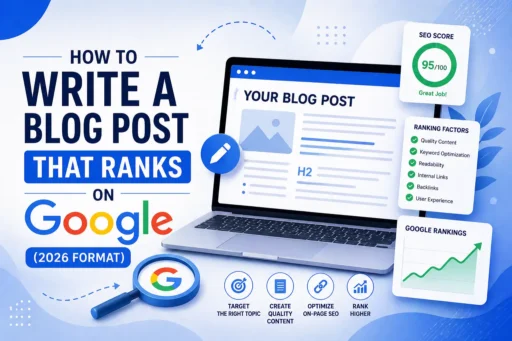
SEO improves website visibility in organic search results on Google and other search engines. By optimizing content, technical elements, and authority signals, businesses earn higher rankings for searches relevant to their offerings. SEO strategies include keyword research, on-page optimization, content creation, technical improvements, and backlink building. Unlike paid advertising that stops delivering results when spending ends, SEO generates sustainable long-term traffic.
In 2026, SEO has evolved significantly. The focus has shifted from keyword manipulation to genuine expertise, trustworthiness, and user experience. Google’s algorithms now prioritize E-E-A-T (Experience, Expertise, Authoritativeness, Trustworthiness), rewarding content from recognized authorities. Additionally, Generative Engine Optimization (GEO) has emerged-optimizing for AI-powered search features like ChatGPT and Google’s AI Overviews.
2. Content Marketing
Content marketing creates and distributes valuable content to attract, engage, and retain audiences. Rather than directly promoting products, content marketing provides information, entertainment, or solutions that build trust and position brands as helpful resources. The content marketing industry is projected to reach $107 billion by 2026, reflecting its proven effectiveness.
Content formats vary widely: blog articles, videos, podcasts, infographics, ebooks, whitepapers, case studies, and interactive tools. In 2026, short-form video dominates, with platforms like TikTok, Instagram Reels, and YouTube Shorts driving massive engagement. However, long-form thought leadership content continues delivering value for complex B2B solutions and high-consideration purchases.
3. Social Media Marketing
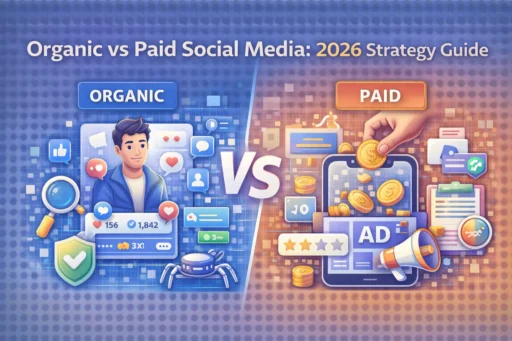
Social media marketing builds brand awareness, engages audiences, and drives traffic through platforms like Facebook, Instagram, LinkedIn, Twitter, TikTok, and YouTube. It encompasses both organic content creation and paid advertising. According to research, users spend an average of 2 hours and 23 minutes daily on social media-representing massive attention opportunities.
The approach has matured beyond simple posting. In 2026, authenticity and community engagement drive success more than follower counts. Employee advocacy programs, user-generated content, and micro-influencer partnerships often outperform traditional brand messaging. Social commerce has exploded, with U.S. social commerce sales surpassing $100 billion in 2026, making platforms direct sales channels rather than just awareness builders.
4. Pay-Per-Click Advertising (PPC)
PPC advertising places ads on search engines, social media, and other platforms, charging businesses only when users click. Google Ads dominates search advertising, while Facebook Ads, Instagram Ads, LinkedIn Ads, and others serve specific audience segments. PPC delivers immediate visibility and highly targeted reach-showing ads only to users matching specific demographic and behavioral criteria.
The sophistication has increased dramatically. AI-powered campaign optimization automatically adjusts bids, targeting, and creative elements based on performance data. Current trends show that 46% of marketers use AI to streamline creative output, generating and testing dozens of variations at scale. Shoppable video ads on connected TV (CTV) platforms now enable direct purchases from streaming content.
5. Email Marketing
Email marketing sends strategic messages directly to subscribers’ inboxes-newsletters, promotional offers, educational content, product updates, and personalized recommendations. Despite being one of the oldest digital channels, email remains incredibly effective. Research indicates email marketing delivers $36 return for every $1 spent-one of the highest ROI metrics across all digital channels.
Modern email marketing leverages automation and segmentation. Rather than batch-and-blast campaigns, sophisticated systems trigger personalized messages based on user behaviors, preferences, and lifecycle stages. Combined with SMS marketing, which achieves 98% open rates, these owned channels provide direct customer communication independent of algorithm changes affecting social media and search.
6. Influencer Marketing
Influencer marketing partners with individuals who have engaged audiences on social media, YouTube, blogs, or podcasts. Rather than brands speaking directly to consumers, influencers provide authentic endorsements that leverage their established trust and credibility. This approach particularly resonates with younger audiences who trust peer recommendations over corporate messaging.
The strategy has evolved from celebrity endorsements to micro-influencer partnerships and employee advocacy. In 2026, many companies leverage existing employees as brand ambassadors-people who understand products deeply and can explain benefits authentically. This cuts costs while improving message quality compared to external influencer contracts.
7. Affiliate Marketing
Affiliate marketing rewards partners for driving traffic or sales through their promotional efforts. Affiliates earn commissions when their referrals complete desired actions-purchases, sign-ups, or qualified leads. This performance-based model aligns incentives perfectly, making it low-risk for businesses while providing income opportunities for content creators and publishers.
The channel works particularly well for ecommerce, software-as-a-service (SaaS), and digital products. Successful affiliate programs provide partners with compelling promotional materials, competitive commission structures, and tracking technology that accurately attributes conversions. Many businesses find affiliate marketing generates substantial revenue streams with minimal ongoing management once systems are established.
8. Marketing Automation
Marketing automation uses software to automate repetitive marketing tasks-email sequences, social media posting, lead scoring, campaign tracking, and customer segmentation. Rather than manually sending emails or updating CRM records, automation systems trigger appropriate actions based on customer behaviors and predefined rules.
The sophistication has increased exponentially. Modern automation platforms segment customers, launch multichannel campaigns, and personalize messages based on individual activities. In 2026, agentic AI takes this further-autonomous systems capable of making multi-step decisions and executing complex workflows without constant human oversight. This efficiency allows small teams to manage sophisticated campaigns at enterprise scale.
9. Video Marketing
Video marketing creates visual content for brand awareness, product demonstrations, tutorials, testimonials, and entertainment. Research shows that 91% of businesses now use video as a marketing tool, with 82% reporting video directly helped increase sales. Video performs exceptionally well because it communicates information quickly, demonstrates products effectively, and builds emotional connections.
Short-form video dominates discovery, while longer content serves audiences already familiar with brands. Behind-the-scenes content, employee stories, customer testimonials, and educational tutorials consistently outperform polished corporate productions. Authenticity matters more than production quality-people want to see real humans solving real problems.
10. Mobile Marketing
Mobile marketing reaches audiences on smartphones and tablets through apps, mobile-optimized websites, SMS, and location-based advertising. With mobile devices accounting for the majority of web traffic, mobile optimization isn’t optional-it’s fundamental. Poor mobile experiences directly harm conversion rates, search rankings, and brand perception.
Mobile-first strategies consider how users interact with smaller screens, touch interfaces, and on-the-go contexts. This includes simplified navigation, fast loading speeds, click-to-call buttons, and location-based offers. Voice search optimization also falls under mobile marketing, as over 50% of U.S. households now have voice assistants.
Digital Marketing Strategy: How to Get Started
Digital marketing strategy provides the roadmap for achieving business goals through coordinated digital efforts. Rather than randomly trying tactics, strategic approaches ensure resources focus on high-impact activities aligned with business objectives.
Define Clear Goals and Objectives
Strategic digital marketing begins with specific, measurable goals. Rather than vague aims like “increase brand awareness,” effective goals follow SMART criteria-Specific, Measurable, Achievable, Relevant, Time-bound. Examples include “generate 100 qualified leads monthly within six months” or “increase organic traffic 50% year-over-year.”
Goals should directly support business objectives. If the business needs customers to increase revenue, digital marketing should focus on lead generation and conversion optimization. If the challenge is market awareness, brand building and reach metrics take priority. At Search Savvy, we emphasize aligning digital goals with financial targets-ensuring marketing investments deliver measurable business value.
Understand Your Target Audience
Effective digital marketing requires deep audience understanding. Develop detailed customer personas representing your ideal customers-demographics, behaviors, challenges, goals, information sources, and decision-making processes. This understanding guides every strategic decision from channel selection to content topics and messaging approaches.
Research methods include customer interviews, surveys, website analytics analysis, social media listening, and competitor audience research. The goal is understanding not just who your customers are, but why they buy, what concerns they have, and what information they need at each decision stage. This insight enables personalized messaging that resonates deeply rather than generic appeals that fall flat.
Choose the Right Digital Marketing Channels
Channel selection should match where your audience spends time and how they prefer consuming content. B2B professional services might prioritize LinkedIn, content marketing, and email, while B2C retail brands might focus on Instagram, TikTok, and paid search. Don’t spread resources thinly across every channel-concentrate efforts where they’ll deliver the strongest results.
Start with 2-3 core channels, execute them excellently, then expand. A comprehensive blog with excellent SEO plus consistent LinkedIn content often delivers better results than superficial presence across ten platforms. Channel effectiveness varies by industry, audience, and business model, so test systematically and follow the data.
Create Valuable, Optimized Content
Content serves as the foundation for most digital marketing efforts. Whether blog articles, videos, or social posts, content should provide genuine value-answering questions, solving problems, or entertaining audiences. The most effective content demonstrates expertise while speaking directly to audience needs and concerns.
Optimization ensures content reaches intended audiences. This includes SEO best practices-keyword research, strategic keyword placement, internal linking, meta tags, and technical optimization. It also means structuring content for readability, incorporating visuals, and formatting for the specific platform. In 2026, content must be optimized for both human readers and AI systems that generate search summaries.
Implement Tracking and Analytics
Measurement separates digital marketing from traditional marketing. Implement comprehensive tracking from day one-Google Analytics for website behavior, conversion tracking for goals, advertising platform analytics for campaign performance, and CRM systems for customer journey tracking. Without data, optimization is impossible.
Focus on metrics that matter. Vanity metrics like page views or followers mean nothing without connecting to business outcomes. Prioritize conversion rates, cost per acquisition, customer lifetime value, and return on ad spend. These business-focused metrics enable intelligent budget allocation and strategy refinement.
Test, Learn, and Optimize Continuously
Digital marketing’s greatest advantage is continuous improvement through testing. A/B test email subject lines, landing page designs, ad creative, offers, and calls-to-action. Small improvements compound-a 10% increase in conversion rate doubled revenue when sustained over time.
Create systematic testing programs rather than random experiments. Prioritize tests by potential impact, implement them properly with statistical significance, learn from results, and implement winners. Document learnings so institutional knowledge grows rather than depending on individual memory.
Integrate Channels for Synergy
The most effective digital marketing strategies integrate multiple channels working together. SEO-optimized content attracts organic traffic, retargeting ads re-engage visitors, email nurturing builds relationships, and social proof from social media improves conversion rates. Each channel amplifies others rather than operating independently.
Think about customer journeys across touchpoints. Someone might discover your brand through social media, research on your blog, compare options via search, and convert after receiving a promotional email. Strategies that coordinate messaging and tracking across this journey significantly outperform single-channel approaches.
Real-World Digital Marketing Examples
Understanding digital marketing concepts matters less than seeing how successful businesses apply them. These examples illustrate effective implementation across different business types and industries.
Example 1: Local Service Business Using SEO and Content
A plumbing company creates a comprehensive blog addressing common plumbing questions-“how to fix a leaky faucet,” “water heater maintenance tips,” “signs you need pipe replacement.” Each article provides genuinely helpful information while naturally demonstrating expertise. The blog is optimized for local SEO with location-specific keywords and service area pages.
Results: The company ranks first page for dozens of local searches, generating 50+ qualified leads monthly. Because prospects find helpful content first, they already trust the company when they call. This content-driven SEO approach delivers consistent results without ongoing advertising costs.
Example 2: E-commerce Brand Leveraging Social Commerce
A sustainable fashion brand builds strong Instagram and TikTok presences showcasing products through authentic lifestyle content, user-generated photos from customers, and behind-the-scenes production videos highlighting ethical manufacturing. They enable Instagram Shopping and TikTok Shop, allowing direct purchases without leaving platforms.
Results: Social commerce drives 40% of total revenue. Engagement rates exceed 8%-dramatically higher than traditional advertising-because content entertains while selling. The brand builds loyal community rather than transactional customer relationships.
Example 3: SaaS Company Using Content Marketing and Email Nurturing
A project management software company creates extensive educational content-how-to guides, productivity tips, remote work best practices, and free templates. Valuable resources require email opt-ins. Automated email sequences educate subscribers about project management challenges while subtly demonstrating how the software solves them.
Results: The content attracts 10,000+ monthly visitors organically. Email nurturing converts 15% of subscribers into paying customers over time-significantly higher than cold outreach conversion rates. The content establishes the company as a thought leader while systematically moving prospects toward purchase.
Example 4: B2B Manufacturer Using LinkedIn and Video
An industrial equipment manufacturer creates video content featuring engineers explaining technical specifications, demonstrating product applications, and sharing industry insights. They publish consistently on LinkedIn, where their target audience (operations managers and procurement professionals) actively engages. Employee advocacy amplifies reach as engineers share content with their networks.
Results: LinkedIn generates 60% of qualified leads despite being just one channel. Video content is shared extensively, expanding reach beyond immediate followers. Prospects arrive better educated, shortening sales cycles and improving close rates because video pre-qualifies interest and demonstrates capabilities.
Frequently Asked Questions
What is the difference between digital marketing and traditional marketing?
Digital marketing uses online channels like websites, social media, search engines, and email, while traditional marketing uses offline channels like print ads, television, radio, and direct mail. The key differences extend beyond channels-digital marketing offers precise targeting, real-time analytics, continuous optimization, and typically lower costs. Traditional marketing provides broad reach and tangible presence but lacks the measurability and personalization that make digital marketing so effective. Most successful businesses now use integrated approaches, with digital marketing representing over 75% of advertising budgets in 2026.
How much does digital marketing cost?
Digital marketing costs vary dramatically based on business size, industry, channels used, and whether you handle efforts internally or outsource to agencies. Small businesses might invest $500-2,000 monthly for basic SEO and social media, while mid-sized companies typically spend $5,000-20,000 monthly for comprehensive strategies. Enterprise digital marketing can exceed $100,000+ monthly. The beauty of digital marketing is scalability-start small with owned channels like content marketing and SEO that deliver long-term value, then expand into paid advertising as you prove ROI. Many digital channels like social media and email have minimal direct costs beyond time investment.
How long does it take to see results from digital marketing?
Digital marketing timelines vary significantly by channel and strategy. Paid advertising delivers immediate visibility-results appear within hours of launching campaigns. SEO and content marketing require patience, typically showing measurable improvement within 3-6 months and significant results after 12-18 months. Email marketing generates quick wins for existing lists but requires time building subscriber bases. Social media audience growth is gradual, though viral content can accelerate dramatically. The key is viewing digital marketing as ongoing investment rather than one-time campaigns-consistent effort compounds over time, creating sustainable competitive advantages that become increasingly valuable.
What digital marketing skills are most important in 2026?
The most valuable digital marketing skills in 2026 combine technical capabilities with creative and strategic thinking. Data literacy tops the list-understanding analytics, interpreting customer insights, and making data-driven decisions. AI proficiency matters increasingly, including using automation tools, generative AI, and predictive systems effectively. Storytelling and authentic content creation differentiate brands in AI-saturated environments. Strategic thinking-seeing big pictures across platforms and customer journeys-separates tactical executors from strategic leaders. Finally, adaptability and continuous learning are essential as technology evolves rapidly. At Search Savvy, we emphasize that the best digital marketers blend analytical rigor with creative problem-solving.
Should small businesses invest in digital marketing?
Absolutely. Digital marketing levels the playing field, enabling small businesses to compete effectively against much larger competitors. Unlike traditional marketing requiring substantial budgets, digital channels allow precise targeting and scalable investment-start small and increase spending as you prove results. Small businesses often outperform enterprises in digital marketing because they’re more agile, authentic, and connected to customers. Local SEO, content marketing, and social media provide cost-effective ways to reach local audiences. The question isn’t whether small businesses should invest in digital marketing, but which channels and strategies will deliver the best returns for their specific situation and goals.
How is AI changing digital marketing in 2026?
AI is fundamentally transforming digital marketing across every function. According to industry data, agentic AI now handles complex campaign workflows autonomously-analyzing performance, coordinating systems, and adapting strategies in real-time without constant human oversight. Content creation accelerates through AI assistance, though human creativity and expertise remain essential for authenticity. Predictive analytics forecast customer behaviors and campaign outcomes before launch. Personalization scales to individual levels through AI-powered recommendation engines. The shift isn’t AI replacing marketers but AI amplifying their capabilities-handling repetitive tasks while humans focus on strategy, creativity, and building genuine customer relationships that drive sustainable business growth.
Ready to build a digital marketing strategy that drives real results? The channels, strategies, and examples outlined above work-but they require strategic implementation, not random tactics. At Search Savvy, we help businesses develop comprehensive digital marketing strategies tailored to their unique goals, audiences, and competitive landscapes.
The businesses succeeding in 2026 aren’t those using the most channels or spending the biggest budgets. They’re the ones executing fundamental strategies excellently, measuring results rigorously, and optimizing continuously based on data. Whether you’re just beginning your digital marketing journey or refining existing efforts, focus on providing genuine value to your audience-everything else follows from that foundation.
Digital marketing isn’t about tricks or hacks. It’s about connecting authentically with people who need what you offer, being helpful when they’re researching solutions, and making it easy for them to choose you. Master these fundamentals, and digital marketing becomes your most powerful business growth engine.