



Competitor keywords represent one of the most valuable yet underutilized resources in modern SEO strategy. These search terms are already driving traffic and conversions for your rivals, providing a proven roadmap for your own content and advertising campaigns. At Search Savvy, we’ve helped hundreds of businesses uncover these hidden opportunities and transform competitive intelligence into tangible growth.
According to recent data from 2026, position 1 in search results receives 10 times more clicks than position 10, making the battle for top rankings more critical than ever. Understanding which competitor keywords your rivals are winning on-and why-gives you the strategic advantage needed to claim those valuable top positions.
This comprehensive guide will walk you through proven strategies to identify competitor keywords, analyze their effectiveness, and implement winning tactics that outperform your competition. At Search Savvy, we believe that smart competitive analysis isn’t about copying-it’s about finding gaps, opportunities, and untapped potential that your competitors have overlooked.
The SEO landscape has evolved dramatically in 2026. With Gartner predicting that search engine volume will drop 25% by 2026 because of generative AI, understanding competitor keywords has become even more crucial for maintaining visibility across both traditional search and AI-powered platforms.
What Are Competitor Keywords and Why Do They Matter in 2026?
Competitor keywords are the specific search terms that your industry rivals are ranking for in organic search results or targeting in their paid advertising campaigns. These keywords represent validated opportunities-terms with proven search demand, commercial intent, and conversion potential.
The value of competitor keywords extends beyond simple keyword discovery. When you analyze what’s working for your competition, you gain insights into market trends, customer search behavior, and content gaps in your own strategy. According to Search Savvy’s research, businesses that systematically analyze competitor keywords identify 40% more high-value opportunities than those relying solely on traditional keyword research.
Competitor keywords help you accomplish several critical objectives. First, they reveal profitable terms you may have overlooked in your initial keyword research. Second, they provide benchmarks for measuring your own performance against industry leaders. Third, they expose weaknesses in competitor strategies that you can exploit. Finally, they help you understand the full competitive landscape before investing resources in content creation or paid campaigns.
The competitive intelligence you gather from analyzing these keywords informs everything from content strategy to PPC budget allocation. In 2026’s evolving search environment, where 86% of SEO professionals now use AI in their workflows, combining traditional competitor keyword research with AI-powered insights creates a powerful advantage.
How Does Competitor Keyword Research Work?
Competitor keyword research involves systematically identifying the search terms your rivals are targeting, analyzing their performance on those terms, and determining which opportunities align with your business goals. The process combines manual analysis, specialized tools, and strategic thinking.
The research typically begins with identifying your true SEO competitors-websites that compete for the same keywords and audience, which may differ from your direct business competitors. A local bakery’s business competitor might be another bakery across town, but their SEO competitors include recipe websites, food blogs, and national chains ranking for similar search terms.
Modern competitor keyword research tools have become increasingly sophisticated in 2026. Platforms like Semrush, Ahrefs, and SpyFu provide comprehensive data on competitor rankings, search volumes, keyword difficulty scores, and estimated traffic values. These tools automate data collection that would take hundreds of hours to gather manually.
The process involves entering competitor URLs into these platforms to extract their ranking keywords, then filtering and analyzing the results based on metrics like search volume, ranking position, keyword difficulty, and traffic potential. Advanced analysis includes examining keyword intent (informational, navigational, commercial, or transactional) to ensure alignment with your content and conversion goals.
At Search Savvy, we recommend a systematic approach: start with 3-5 direct competitors, analyze their top-performing keywords, identify patterns and gaps, prioritize opportunities based on your domain authority and resources, and then develop targeted content or campaigns to compete effectively.
Why Is Competitor Keyword Analysis Important in 2025?
Competitor keyword analysis has become essential in 2026 because the digital landscape is more competitive and complex than ever. With 94% of pages getting zero traffic, random or uninformed keyword targeting simply doesn’t work.
Understanding competitor keywords provides market validation. When multiple established competitors rank for specific terms and invest in paid campaigns around those keywords, it signals genuine search demand and commercial value. This validation reduces risk-you’re not gambling on untested keywords but pursuing terms with proven performance records.
The analysis also reveals content gaps and opportunities. By comparing your keyword portfolio against competitors, you identify valuable terms you’re completely missing. These gaps often represent quick wins-keywords with solid search volume where you can establish authority before competition intensifies.
Competitor keyword research informs realistic goal-setting and resource allocation. If you’re a newer site with lower domain authority, you’ll likely struggle to outrank established competitors on highly competitive head terms. However, competitor analysis helps you identify long-tail variations and niche subtopics where you can build authority gradually.
In 2026’s AI-influenced search environment, competitor keyword research has expanded beyond traditional Google rankings. Search Savvy now helps clients analyze competitor visibility across ChatGPT, Perplexity, and other AI search platforms, where different optimization strategies may apply. Understanding how competitors appear in AI-generated answers provides crucial competitive intelligence.
The economic value is substantial. According to recent industry data, SEO still delivers 91% positive ROI for marketers, making it one of the highest-returning marketing channels. Competitor keyword analysis maximizes that ROI by focusing efforts on proven opportunities rather than speculative targets.
How to Find Competitor Keywords: Step-by-Step Methods
Manual Competitor Keyword Discovery
Competitor keywords can be identified through several manual techniques that require no specialized tools. Start by searching your primary keywords in Google and noting which websites consistently appear in top positions. These are your SEO competitors regardless of whether they’re direct business rivals.
Examine competitor websites directly. Navigate through their main pages, blog content, and service/product descriptions, paying attention to terms they emphasize in titles, headings, and meta descriptions. Use the “view page source” function to examine their title tags and meta descriptions, which often reveal their target keywords.
Google’s “People Also Ask” and “Related Searches” features provide insights into keyword variations your competitors may be targeting. When you search competitor brand names or topics, these features expose the broader keyword ecosystem around those topics.
Review competitor content thoroughly. Note which topics they cover repeatedly, how they structure their content, and which specific phrases appear in headlines and subheadings. Patterns in their content strategy reveal their keyword priorities.
Using Professional Competitor Keyword Tools
Professional SEO tools dramatically accelerate and deepen competitor keyword research. Semrush offers comprehensive competitor analysis through its Organic Research and Keyword Gap tools. Enter a competitor’s domain to see all their ranking keywords, estimated traffic, ranking positions, and keyword trends over time.
The Keyword Gap tool is particularly powerful. It compares your domain against up to four competitors simultaneously, revealing shared keywords (where you both rank), competitor-only keywords (opportunities you’re missing), and weak keywords (where competitors rank but you don’t). This visual comparison immediately highlights strategic priorities.
Ahrefs provides similar functionality through its Site Explorer tool, which according to industry reviews, offers the richest, most accessible suite of data for performing SEO competitor analysis. Ahrefs excels at backlink analysis alongside keyword research, helping you understand the link profile supporting competitor rankings.
SpyFu specializes in historical data and paid search intelligence. It reveals competitor keyword history-which terms they’ve ranked for over time, when they entered or abandoned keywords, and complete Google Ads campaign history including ad copy and estimated budgets.
For businesses on tighter budgets, tools like KWFinder provide essential competitor keyword features at lower price points, while free tools like Google Search Console and Google Analytics offer limited competitive insights when combined with manual research.
At Search Savvy, we typically recommend starting with one comprehensive platform like Semrush or Ahrefs rather than juggling multiple tools. Master one system’s full capabilities before expanding your toolkit.
Analyzing Competitor Content and Rankings
Beyond raw keyword lists, successful competitor analysis requires examining the actual content ranking for those keywords. Visit the pages that rank for valuable competitor keywords and analyze what makes them successful.
Evaluate content depth and quality. How comprehensive is the competitor’s coverage? What unique value do they provide? What questions do they answer that other pages don’t? Superior content naturally attracts backlinks and engagement signals that improve rankings.
Examine content structure and formatting. How do competitors organize information? Do they use extensive heading hierarchies, bullet points, tables, or visual elements? In 2026, most search results include a mix of multimedia, like images, videos, and interactive elements, making multimedia optimization increasingly important.
Check for SERP features like featured snippets, “People Also Ask” boxes, image packs, or video results. If competitors trigger these features, analyze what makes their content eligible and consider optimizing specifically for those opportunities.
Review the technical elements. Check page load speed using tools like Google PageSpeed Insights. Examine mobile responsiveness. Inspect schema markup using Google’s Rich Results Test. These technical factors influence rankings and user experience.
Consider search intent alignment. Does the competitor’s content truly satisfy user intent for that keyword? Sometimes pages rank despite mediocre quality simply because better alternatives don’t exist-these represent prime opportunities for superior content.
What Tools Are Best for Finding Competitor Keywords in 2026?
The competitor keyword tool landscape in 2026 offers sophisticated options across various price points and specializations. Understanding each tool’s strengths helps you build an effective competitive intelligence stack.
Enterprise-Level Solutions
Semrush remains the industry standard for comprehensive SEO competitive analysis, with plans starting at $139.95/month. Its Competitive Research toolkit includes Organic Research, Advertising Research, Keyword Gap, and Traffic Analytics. Semrush’s database covers over 26 billion keywords, providing extensive coverage across global markets.
Semrush excels at multi-faceted analysis-you can examine organic keywords, paid keywords, display advertising, backlinks, and traffic patterns from a single platform. The newly added AI Visibility Toolkit (additional $99/month per domain) tracks brand mentions in AI-generated search results, addressing 2026’s evolving search landscape.
Ahrefs (from $129/month) provides the most extensive backlink database alongside powerful keyword research capabilities. Industry professionals consistently praise Ahrefs for a bigger keyword database and more detailed backlink metrics compared to competitors. The Site Explorer tool reveals competitor ranking history, allowing you to track when they gained or lost visibility on specific keywords.
Similarweb (from $125/month) offers broader market intelligence beyond traditional SEO metrics, including traffic sources, audience demographics, and market share analysis. In 2026, Similarweb’s AI Search Intelligence suite has become particularly valuable for tracking brand visibility in generative AI platforms.
Mid-Tier and Budget Options
SpyFu provides excellent value for businesses focused on both SEO and PPC competitor analysis. It offers unlimited data access (no credit-based restrictions) and extensive historical data showing competitor keyword and ad campaign evolution over many years.
SE Ranking delivers robust rank tracking and competitor monitoring at more affordable prices than enterprise platforms, making it popular with small to medium businesses and agencies managing multiple client accounts.
KWFinder by Mangools focuses on user-friendly keyword research with solid competitor analysis features. Its interface is less intimidating for SEO beginners while still providing essential metrics like search volume, keyword difficulty, and SERP analysis.
Specialized and Free Tools
BuzzSumo specializes in content performance analysis, revealing which competitor content generates the most social engagement and backlinks. This helps identify content types and topics that resonate with shared audiences.
Free options include Google Search Console (limited to your own site but reveals keywords where competitors outrank you), Ubersuggest (Neil Patel’s tool with free tier), and manual SERP analysis combined with free tools like AnswerThePublic for question-based keywords.
At Search Savvy, we help clients select tools based on their specific needs, budget, and expertise level rather than recommending one-size-fits-all solutions.
How to Analyze and Prioritize Competitor Keywords
Finding competitor keywords is just the beginning-the real skill lies in analyzing and prioritizing those opportunities effectively. Raw keyword lists often contain thousands of terms, most of which won’t be relevant or achievable for your specific situation.
Evaluating Keyword Difficulty and Opportunity
Keyword difficulty scores, provided by most SEO tools, estimate how hard it will be to rank in top positions. These scores typically range from 0-100, with higher numbers indicating greater difficulty. However, difficulty scores should be interpreted in context of your domain authority and resources.
If your website has a Domain Rating (Ahrefs) or Authority Score (Semrush) significantly lower than ranking competitors, targeting their highest-difficulty keywords may be unrealistic in the short term. Instead, focus on medium-difficulty keywords or long-tail variations where you can realistically compete.
Examine the actual SERP for each target keyword. Look at the domain authority and page authority of ranking sites. Are they established industry authorities, or is there a mix of smaller sites? If smaller sites rank well, you likely have a realistic chance with quality content and solid on-page optimization.
Consider search intent alignment with your business model and conversion goals. A keyword might have high volume and low difficulty, but if the search intent doesn’t match what you offer, it won’t drive valuable traffic. An e-commerce site shouldn’t prioritize purely informational keywords unless they have a content marketing strategy supporting product discovery.
Identifying Quick Wins and Long-Term Opportunities
Competitor keyword analysis should identify both immediate opportunities and longer-term strategic targets. Quick wins are keywords where you’re already ranking on page 2-3 or where competitors rank with demonstrably weak content. Small improvements can push you into valuable top-10 positions.
Look for keyword gaps where none of your pages currently rank but multiple competitors do. These represent clear content gaps in your strategy. Create comprehensive content targeting these gaps, and you can potentially capture traffic currently distributed among competitors.
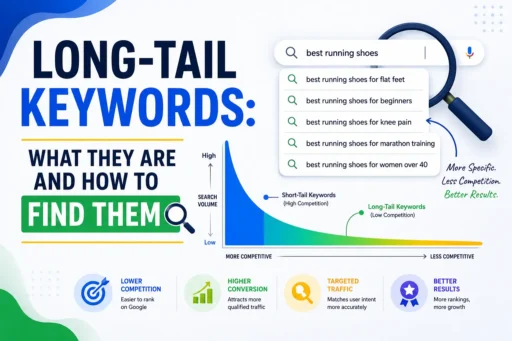
Long-tail variations of competitive head terms offer another quick-win opportunity. If you can’t immediately rank for “digital marketing,” target more specific phrases like “digital marketing for healthcare startups” where competition is lighter and intent is clearer.
Seasonal keywords require different timing strategies. Analyze when competitors publish and promote seasonal content. Getting content live and building authority 2-3 months before peak season can position you favorably when search volume increases.
At Search Savvy, we help clients build balanced keyword portfolios combining quick wins (achievable in 1-3 months), medium-term targets (3-9 months), and long-term strategic keywords (9+ months) that align with overall business objectives.
Creating Actionable Keyword Strategies
Transform competitor keyword analysis into actionable strategies through systematic planning. Group related keywords into topic clusters rather than treating each keyword as isolated. This approach, increasingly important in 2026, helps establish topical authority that improves rankings across entire keyword groups.
Map keywords to specific content types based on search intent. Informational keywords typically require blog posts, guides, or educational content. Commercial investigation keywords might need comparison pages, reviews, or case studies. Transactional keywords demand optimized product or service pages with clear conversion paths.
Develop content calendars that systematically address high-priority competitor keywords. Prioritize based on a combination of factors: search volume, keyword difficulty, business value, and competitive advantage opportunities.
Consider the resources required for each keyword target. Some keywords might need in-depth 3000+ word guides with custom graphics and original research. Others can be addressed with shorter, focused content. Realistic resource assessment prevents overcommitment and ensures quality execution.
What Are the Best Tactics to Outrank Competitors?
Successfully targeting competitor keywords requires more than identifying opportunities-you need strategies that genuinely outperform what’s currently ranking.
Creating Superior Content
The fundamental tactic for outranking competitors is creating demonstrably better content than what currently ranks. “Better” means more comprehensive, more current, more actionable, better formatted, and better optimized for user experience.
Analyze top-ranking competitor content to identify gaps and weaknesses. What important subtopics do they mention briefly or omit entirely? What questions remain unanswered? What examples or case studies could make the content more practical?
Add unique value that competitors can’t easily replicate. Original research, proprietary data, expert interviews, custom graphics, video demonstrations, and interactive tools all differentiate your content. In 2026, with 93% of SEO professionals reviewing AI content before publishing, human expertise and original insights have become key differentiators.
Update and refresh content regularly. If competitor content is 2-3 years old, creating something current with 2026 data and examples provides immediate advantage. Google’s algorithms favor fresh, updated content for many query types.
Optimize for user experience beyond just information quality. Fast page load times, mobile responsiveness, clear navigation, scannable formatting with headings and bullet points, and strategic use of multimedia all contribute to superior user experience that search engines reward.
Building Stronger Backlink Profiles
Competitor keywords often require backlink authority to rank competitively. Analyze the backlink profiles of top-ranking pages using tools like Ahrefs or Semrush to understand what level of link authority you need.
The Link Intersect tool in Ahrefs reveals websites that link to multiple competitors but not to you-these represent high-potential link building targets. Reach out with genuinely valuable content or resources that deserve links.
Create linkable assets specifically designed to attract backlinks in your niche. Comprehensive guides, original research, data visualizations, free tools, and industry surveys all naturally attract links when properly promoted.
Don’t just replicate competitor content-create something genuinely link-worthy. Guest posting, digital PR, broken link building, and resource page link building all work when you offer value to linking sites and their audiences.
Monitor new backlinks competitors acquire using competitor backlink tracking features. This reveals current link building opportunities and industry websites actively linking to content in your niche.
Optimizing Technical SEO Elements
Technical optimization ensures search engines can properly crawl, understand, and rank your content. Conduct technical audits to identify and fix issues like slow load times, mobile usability problems, broken links, duplicate content, and missing structured data.
Implement schema markup relevant to your content type. Article schema, FAQ schema, How-to schema, Product schema, and Review schema can all trigger enhanced SERP features that increase visibility and click-through rates.
Optimize for Core Web Vitals, Google’s user experience metrics. Research shows only 33% of websites meet the standards set by Google’s Core Web Vitals, creating opportunity for those who prioritize technical performance.
Create comprehensive internal linking structures that distribute authority to target pages. Strategic internal links help search engines understand page importance and topic relationships while guiding users to related content.
Leveraging Paid Search for Competitive Advantage
Competitor keyword research isn’t limited to organic SEO-it’s equally valuable for paid search campaigns. Tools like SpyFu reveal exactly which keywords competitors bid on, their estimated costs, ad copy variations, and landing pages.
Use organic competitor keyword research to identify high-intent commercial keywords worth testing in paid campaigns. If competitors invest heavily in paid search for specific terms, it signals strong conversion potential.
Analyze competitor ad copy to understand messaging angles that resonate with shared audiences. What benefits do they emphasize? What calls-to-action do they use? What unique selling propositions do they highlight?
Consider bidding on competitor brand keywords when appropriate and legal in your market. This defensive tactic captures users comparing multiple solutions, though it requires careful budget management due to typically higher costs.
At Search Savvy, we help clients develop integrated strategies where organic and paid search efforts reinforce each other, using competitor keyword research to inform both channels.
Frequently Asked Questions
How often should I conduct competitor keyword research?
Conduct comprehensive competitor keyword analysis quarterly to identify new opportunities and track competitive shifts. However, monitor top competitors monthly for significant changes in rankings, new content, or emerging keyword targets. The frequency also depends on your industry’s pace of change-highly dynamic industries like technology or finance may require more frequent analysis, while stable industries can use longer intervals. Set up automated rank tracking for your most important keywords to receive alerts when competitors make significant moves.
Can I use the exact same keywords as my competitors?
Yes, targeting the same keywords as competitors is not only acceptable but often strategic, provided you create genuinely superior content and user experience. Search engines rank based on relevance and quality, not who targeted a keyword first. However, don’t simply copy competitor content-analyze their approach, identify weaknesses or gaps, and create something demonstrably better. Focus on delivering more comprehensive coverage, more recent information, better formatting, stronger expertise, and superior user experience.
What’s the difference between organic and paid competitor keywords?
Organic competitor keywords are terms your rivals rank for in unpaid search results through content optimization and SEO efforts. Paid competitor keywords are terms they actively bid on through Google Ads or other paid search platforms. Both provide valuable intelligence but serve different strategic purposes. Organic keywords reveal content strategy and topical authority, while paid keywords indicate commercial priorities and immediate revenue focus. Tools like Semrush and SpyFu analyze both, helping you build comprehensive competitive intelligence.
How many competitors should I analyze for keyword research?
Start with 3-5 direct competitors that consistently rank for your target keywords and serve similar audiences. This provides sufficient data without overwhelming analysis. Include a mix of larger established competitors (for aspirational keyword targets) and similar-sized competitors (for realistic near-term opportunities). Also consider analyzing one or two sites slightly outside your direct niche that rank for relevant keywords-they often reveal cross-industry content opportunities or unique keyword angles you might have overlooked.
What if my competitors have much higher domain authority?
Focus on long-tail keywords and specific subtopics where domain authority matters less than content quality and relevance. Target question-based keywords, local variations, and emerging topics where established competitors haven’t yet created comprehensive content. Build topical authority in specific niches rather than competing broadly against higher-authority sites. Over time, consistently publishing quality content and earning relevant backlinks will increase your domain authority, enabling you to target more competitive keywords. Patience and strategic focus are essential when competing against established authority sites.
Are competitor keywords still relevant with AI search growing in 2026?
Yes, competitor keywords remain highly relevant even as AI search platforms grow. Traditional search engines still drive the majority of web traffic, with Google maintaining approximately 90% market share. Additionally, many AI search platforms actually cite and reference top-ranking traditional search results in their answers. Understanding competitor keywords helps you optimize for both traditional search rankings and AI visibility. The key is expanding competitor analysis beyond just Google rankings to include monitoring how competitors appear in AI-generated responses across platforms like ChatGPT, Perplexity, and Google’s AI Overviews.
Conclusion: Turning Competitive Intelligence Into Growth
Competitor keywords represent proven opportunities validated by real market performance. Rather than guessing which keywords might work, you’re targeting terms with demonstrated search demand, commercial value, and conversion potential.
The systematic approach outlined in this guide-identifying true SEO competitors, using professional tools to extract their ranking keywords, analyzing content and backlink strategies, prioritizing realistic opportunities, and executing superior content and optimization-provides a roadmap for competitive success.
At Search Savvy, we’ve seen clients transform their organic visibility by systematically addressing competitor keyword gaps. The businesses that succeed don’t just identify opportunities-they execute consistently, create genuinely superior content, build authoritative backlink profiles, and maintain technical excellence.
Remember that competitor keyword research isn’t a one-time project but an ongoing strategic process. Markets evolve, competitors adjust strategies, and new opportunities emerge constantly. Build competitor analysis into your regular SEO workflow, and you’ll maintain awareness of competitive movements while consistently identifying new growth opportunities.
The investment in proper competitor keyword research and analysis delivers substantial returns. With 91% of marketers seeing positive ROI from SEO, focusing efforts on proven competitor keywords maximizes the likelihood of success while minimizing wasted resources on unvalidated targets.
Start today with the free and accessible methods outlined here, then expand to professional tools as your strategy matures and resources allow. Every keyword you capture from competitors represents traffic and conversions they lose-making competitor keyword research not just smart strategy but competitive necessity in 2026’s evolving search landscape.
At Search Savvy, we’re here to help you navigate this complex landscape and turn competitive intelligence into sustainable growth. The keywords your competitors rank for today can become your competitive advantage tomorrow with the right strategy, tools, and execution.